|
 |
 | | | | | | |||||||||||||||||||||||||||||||||||||||||||||||||||||||||||||||||||||||||||||||||||||||||||||||
| | | You are in: UK: Politics | |||||||||||||||||||||||||||||||||||||||||||||||||||||||||||||||||||||||||||||||||||||||||||||||||
|
| | Wednesday, 8 January, 2003, 17:35 GMT A wakeup bell or the death knell?  The twilight of its years?
The first signs were that MPs had taken advantage of the early finish on Wednesday morning to, quite literally, spend more time with their families. Once question time ended at 1230 the place emptied.
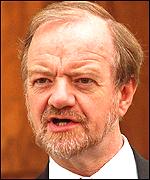
There were enough MPs left behind to take part in the vote at 1900 and it is even possible that a few who had attempted to travel back to their constituencies had been defeated by the weather. Thanks to a mild snow flurry, large parts of the capital's transport infrastructure stopped. At least the Palace of Westminster is warm and dry. Don't bother But there was a definite air of the long weekend about the place. Despite all the rumblings about keeping MPs in the Commons by imposing three line whips at the end of each day (never a terribly credible threat) Thursday's 1900 vote is on a one liner - also known as the "don't bother if you don't feel like it" whip. And Friday is a non-sitting day. So there was precious little to keep MPs hanging around London other than an inability to get out. Leader of the House Robin Cook is undoubtedly sincere when he says his reforms of the Commons' hours were long overdue. He is also clearly motivated by a desire to make the Commons more relevant.
If they conspire not to reinvigorate the place, then it will continue to fall into a stupor. Yah boo Moving prime minister's questions to noon instead of 1530 on a Wednesday may sound sensible. But it will lack the edge-of-the-seat frisson that was often added to the occasion by MPs piling into the chamber just after lunch. On the up side, it might also just stop some of the "yah boo suckery" that has done so much to damage the image of the Commons. There was little sign of that on day one either, however. It is quite possible that, once the novelty has worn off, fewer will bother with the new session. Ironically, Iain Duncan Smith might just benefit from the new time because the session runs straight into lunchtime news territory, which could see more prominent coverage of his attacks on the prime minister. But it is really far too early to tell precisely what the new hours will mean. The suspicion was always that the government wanted changes to downgrade the Commons even further, turning it into a simple rubber stamping mechanism for the executive. Others are convinced that the changes were vital if a wider cross section of people, particularly women, were to be encouraged to become MPs. On the surface it may all seem pretty minor and superficial, but the consequences for parliamentary democracy could be considerable. | | See also:  08 Jan 03 | Politics 30 Oct 02 | Politics 30 Oct 02 | Politics Internet links: The BBC is not responsible for the content of external internet sites | |||||||||||||||||||||||||||||||||||||||||||||||||||||||||||||||||||||||||||||||||||||||||||||||
 | |
|  E-mail this story to a friend E-mail this story to a friend |
| |
|
| | | ||
 | ||||
 | | Back to top
| ||
| ---------------------------------------------------------------------------------- To BBC Sport>> | To BBC Weather>> | To BBC World Service>> ---------------------------------------------------------------------------------- © MMIII | News Sources | Privacy |