|
 |
 | | | | | | |||||||||||||||||||||||||||||||||||||||||||||||||||||||||||||||||||||||||||||||||||||||
| | | You are in: UK: Politics | |||||||||||||||||||||||||||||||||||||||||||||||||||||||||||||||||||||||||||||||||||||||||
|
| | Wednesday, 8 January, 2003, 12:49 GMT Blair in 'high noon' clash  MPs will have fewer late nights under the new system Tony Blair and Iain Duncan Smith have held their first lunchtime clash in the House of Commons. The party leaders' weekly Commons battle has been moved from its traditional post-lunch 1500 slot to 1200, as part of a move to more "family-friendly" parliamentary hours.
Mr Blair came under pressure over Iraq from the Tory leader and the Lib Dem leader Charles Kennedy, and a host of backbench MPs. The new hours, which came into effect this week, bring to an end the centuries-old tradition of late-night sittings in the Commons. Instead, the chamber's eight-hour day will begin three hours earlier, at 1130 on Tuesday, Wednesday and Thursdays, and finish earlier on Thursdays. Prime Ministers' Question Time is now at an earlier slot coming ahead of the lunchtime news bulletins and so stands a better chance of setting the news agenda for the rest of the day. From now on, MPs will only sit late on Mondays, a start time retained to allow MPs to return from their constituencies. MPs have also agreed to have a shorter summer break, returning to Parliament in September rather than October.
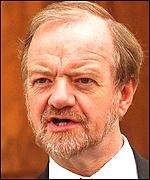
And there will also be a 10 minute time limit for speeches and a shorter timetable for tabling questions to ensure more topical debates. Ministerial statements on key issues will be taken at 1230 instead of 1530 or later. The historic changes, which are designed to make the chamber appear more modern, were voted through by MPs last year. 'Lazy' The new hours are also aimed at encouraging more female MPs and candidates with children to enter politics. Commons leader Robin Cook said the changes would allow MPs to do their jobs better. "Good scrutiny makes for good government," Mr Cook told BBC Radio 4's Today programme. "Parliament and government are not in opposition over this." Mr Cook also highlighted moves to shorten the amount of notice MPs have to give for questions so they can be more topical. Opponents of the changes claim the new hours would make MPs appear "lazy" and prevent them from gaining "valuable experience" by doing other jobs. Scrutiny worries Conservative chairman Theresa May welcomed the new hours, although her party would have preferred an 0930 start. Mrs May told Today the government was eroding the authority of Parliament in other ways. She pointed to an increase in written statements from ministers, which meant they could not be held to account by backbenchers. Mr Cook, however, insisted such statements were only replacing the traditional practice of ministers having to use planted questions from friendly MPs to make key announcements. | | See also:  08 Jan 03 | Politics 30 Oct 02 | Politics 30 Oct 02 | Politics 29 Oct 02 | Politics 29 Oct 02 | Politics 08 Jul 02 | Politics 15 May 02 | Politics 12 Feb 02 | Politics Internet links: The BBC is not responsible for the content of external internet sites | |||||||||||||||||||||||||||||||||||||||||||||||||||||||||||||||||||||||||||||||||||||||
 | |
|  E-mail this story to a friend E-mail this story to a friend |
| |
|
| | | ||
 | ||||
 | | Back to top
| ||
| ---------------------------------------------------------------------------------- To BBC Sport>> | To BBC Weather>> | To BBC World Service>> ---------------------------------------------------------------------------------- © MMIII | News Sources | Privacy |