|
 |
 | | | | | | ||||||||||||||||||||||||||||||||||||||||||||||||||||||||||||||||||||||||||||||||||||||||||||||||
| | | You are in: UK: Politics | ||||||||||||||||||||||||||||||||||||||||||||||||||||||||||||||||||||||||||||||||||||||||||||||||||
|
| | Tuesday, 29 October, 2002, 13:13 GMT Axe looms over MPs' marathon nights 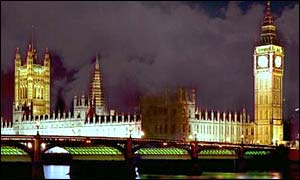 All-night Commons sittings may be a thing of the past
 Nowadays they are seldom used to debate some towering issue of the day, to allow all sides to have their say with great speeches. Instead the speeches are usually long. Very, very long and very, very boring.
Few people are forced to watch the spectacle first hand. The unfortunate minister who is shepherding the legislation is there almost constantly. Away from the green benches, there are writers from Hansard, Parliament's official record, and a few of the in-house security guards known as 'door-keepers'. And then there are the journalists, the gallery reporters, poised to report on proceedings to a usually less than breathless public. Real tedium Two of them work in half-hour shifts to ensure at least one person is there at all times. It is a novel experience at first, but then, as nothing of any note is said from one hour to the next, real tedium sets in. By about four o'clock in the morning the temptation to stand up in the media gallery above the Speaker's chair and shout: "Stop, so we can all go home to bed!" is almost overwhelming. To while away the hours once even the doodling has become too boring, one can admire the tactics of the filibusterers, planned in advance like a military operation.
It is undoubtedly close to being an art form. Those contributing must stick to the topic of the legislation, or even individual clause, being debated. They will try heading off down irrelevant avenues to spin out the time but wander too far and the man or woman in the Speaker's chair will haul them up and tell them to get back to the point. Other tag-team members help out in the middle of speeches with short interventions - allowed under the myriad debating rules - to introduce another possible line of oratory to their colleague. Surprise vote danger Aside from the filibusters, the minister, each party's duty whips and the odd masochist, few other MPs stay in the chamber for long as the night wears on. Attendance rarely rises above half a dozen out of more than 650 MPs. But the party whips ensure as many as possible are on standby in the Palace of Westminster in case a surprise vote is called. Some sleep where they can find quiet corners in offices or libraries. Bars, restaurants and cafeterias remain open to keep them entertained. Non-stop sitting One of the last all-night sittings, in January 2000, was triggered by rightwing Conservatives joining forces with like-minded Unionists to talk out a controversial piece of Northern Ireland legislation. They managed 27 hours non-stop. Eventually, because of Parliamentary rules, they forced the cancellation of prime minister's question time - on Tony Blair's 1,000th day as prime minister - for the first time in more than a decade. But if Commons leader Robin Cook gets his way, it may never happen again. | | See also:  29 Oct 02 | Politics 08 Jul 02 | Politics 15 May 02 | Politics 12 Feb 02 | Politics 12 Dec 01 | Politics Internet links: The BBC is not responsible for the content of external internet sites | ||||||||||||||||||||||||||||||||||||||||||||||||||||||||||||||||||||||||||||||||||||||||||||||||
| |
|  E-mail this story to a friend E-mail this story to a friend |
| |
|
| | | ||
 | ||||
 | | Back to top
| ||
| ---------------------------------------------------------------------------------- To BBC Sport>> | To BBC Weather>> | To BBC World Service>> ---------------------------------------------------------------------------------- © MMIII | News Sources | Privacy |