|
 |
 | | | | | | |||||||||||||||||||||||||||||||||||||||||||||||||||||||||||||||||||||||||||||||||||||||||||||||||||||||||||||||||||||||||||||||||||||||
| | | You are in: UK: Politics | |||||||||||||||||||||||||||||||||||||||||||||||||||||||||||||||||||||||||||||||||||||||||||||||||||||||||||||||||||||||||||||||||||||||||
|
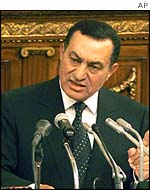
| | Thursday, 2 January, 2003, 08:56 GMT Blair in talks with Egyptian president  Tony Blair has been on holiday in Sharm el-Sheikh UK Prime Minister Tony Blair has held informal talks with Egypt's President Hosni Mubarak. The two hours of discussions happened at a private dinner in Sharm el-Sheikh, the Red Sea resort where Mr Blair is holidaying with his wife Cherie. The threat of global terrorism, the effort to tackle Iraq's alleged weapons programmes and the Middle East peace process are understood to have been on the agenda.
That message drew criticism from the Conservatives, who accused Mr Blair of trying to divert attention from domestic problems. In one of his most downbeat annual bulletins, Mr Blair cited Iraq, al-Qaeda, the Middle East and North Korea as concerns which would exacerbate problems in faltering world markets. But the deputy leader of the Conservative party, Michael Ancram, said voters were more interested in Labour's "failure to deliver" on the domestic front. These included "crises" in the health service, schools, law and order and pensions, he said.
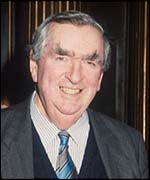
Liberal Democrat leader Charles Kennedy urged Mr Blair to ensure UN inspectors had time to establish the truth about Iraq's weapons programmes, before taking any decision on military action. He also urged him to "pay more attention to what is happening here at home". Crucial decisions Labour veteran Lord Healey warned Mr Blair against repeating the "disastrous" decision of Tory Prime Minister Sir Anthony Eden, who went to war in the Middle East over Suez in 1956, at a time of similar international tension. In his speech, Mr Blair said the government was determined to tackle its problems head-on.
"I cannot recall a time when Britain was confronted, simultaneously, by such a range of difficult and, in some cases, dangerous problems," he said. He cited his "twin concerns" as world security and the world economy, but said Britain was "well placed" to cope. Mr Blair said: "Whether we survive and prosper or decline in the face of this insecurity depends crucially on the political decisions Britain now takes." He said the UK's leading role in the war on terror did not mark it out as a particular target for al-Qaeda. "The only way to stop being a target is to stop the terrorists," he said. Force warning President Saddam Hussein must be disarmed because failure to do so "would make the world a very dangerous place in the future", he continued. "If he does not seize it he will have to be disarmed by force," said Mr Blair. On Europe, Mr Blair said Britain must continue to play a leading role, and joining the euro was Britain's most key decision for a generation. The political case for joining was "overwhelming" but a referendum would only be called if the economic case was made. At home, Mr Blair said public sector investment must continue. "Real progress" had been made in improving health and education. But he accepted there had been failures in transport, too little capacity in the NHS, too many failing secondary schools and poor conviction rates for criminals. | |
See also:  31 Dec 02 | Politics 31 Dec 02 | Business 20 Dec 02 | Politics 28 Nov 02 | Politics 26 Nov 02 | Politics 01 Jan 03 | Politics Internet links: The BBC is not responsible for the content of external internet sites | |||||||||||||||||||||||||||||||||||||||||||||||||||||||||||||||||||||||||||||||||||||||||||||||||||||||||||||||||||||||||||||||||||||||
 | |
|  E-mail this story to a friend E-mail this story to a friend |
| |
|
| | | ||
 | ||||
 | | Back to top
| ||
| ---------------------------------------------------------------------------------- To BBC Sport>> | To BBC Weather>> | To BBC World Service>> ---------------------------------------------------------------------------------- © MMIII | News Sources | Privacy |




 After nearly six years of a Labour Government, where are the real improvements for our schools, hospitals and public transport system?