|
 |
 | | | | | | |||||||||||||||||||||||||||||||||||||||||||||||||||||||||||||||||||||||||||||||||||||||||||||||||||||||||||||||||||||||
| | | You are in: UK: Politics | |||||||||||||||||||||||||||||||||||||||||||||||||||||||||||||||||||||||||||||||||||||||||||||||||||||||||||||||||||||||||
|
| | Tuesday, 31 December, 2002, 19:36 GMT 2003: Blair's toughest year yet 
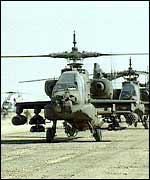
Who at the start of 2002 would have forecast that the most difficult episode of Tony Blair's year would centre on his own wife's economy with the truth? Still, even through the fog of events yet to unfold, we can make out the political landscape of 2003. Shadow of war The spectre of war in Iraq casts the greatest shadow. The mobilisation of military hardware is under way. Regardless of ministers' insistent repetition of the formula that a decision is "neither inevitable nor imminent", all the mood music has pointed in the direction of some kind of action taking place by the spring.
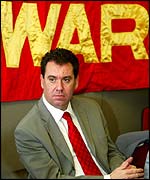
The prime minister will be going into war with public opinion, swathes of his own backbenchers, large sections of the Labour Party and a fair number in his own cabinet against it. War or no war, however, one thing about 2003 is sure: it is likely to be his most difficult year yet as prime minister. The UK economy is stumbling, his once shiny government is tarnished and after six years in power it is flat out of excuses for a lack of noticeable improvement in the public services. Failure to deliver on this front - the better health and education services, working transport system and reduced crime New Labour promised the country - is the fear that haunts his administration. Shed loads of targets have already been either completely missed, shelved or quietly dropped. Some discernible return for the increased funding pumped into the public services is the one key target Mr Blair cares about now. Rebellion and discontent Anger among workers within those services, meanwhile, is set to grow over the issue of public sector pay lagging far behind the private sector. The firefighters' dispute, lest we forget, is still live, with further strikes pencilled in for January. Discontent among teachers, health workers and others, guarantees it will be far from quiet elsewhere on the industrial front. Early in the new year the government's review of university funding is due to be published. It is already known that Downing Street leans towards tuition fees. Opting for them openly will provoke serious rebellion among MPs. So too will Mr Blair's formal decision (seen as all but inevitable) to back US President George Bush's highly controversial "son of Star Wars" missile defence system - a choice which could land the onetime CND member with his very own version of the Greenham Common peace camps. Taxes will rise To cap it all, taxes will rise. This is no mere prediction but an absolute certainty: the pain of the National Insurance hike pre-announced by Chancellor Gordon Brown last spring will be felt in voters' pay packets for the first time when it takes effect in April.
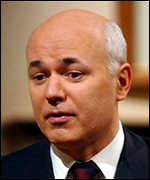
The party is set to lose council seats in the English local elections, and votes in Scotland and Wales. A crisis of legitimacy could loom in Scotland if, as some number-crunchers forecast, the SNP wins more votes but less seats than Labour in the devolved parliament. Farewell, Iain Duncan Smith? Of course, it does not follow that the Conservatives will gain from any of this. Iain Duncan Smith exited 2002 with polls showing his party in a worse position than under William Hague's leadership. This is an unarguably dismal showing. Those May local elections pose a hazard for Labour but they are potentially fatal for Mr Duncan Smith's leadership. The self-inflicted turmoil that engulfed the party last autumn was not resolved, only postponed. A significant number of shadow ministers and MPs are resolutely biding their time, waiting to make their move after seeing the measure of the Tory performance at the locals. If they judge it to be poor, stand by for a resurgence of agitation to ditch the beleaguered Tory rebel-turned-leader. Lib Dems' crabwise move From the Liberal Democrats, expect further progress in Charles Kennedy's slow, deliberate shift along the political spectrum in order to better target Conservative voters. The psephological facts of life mean the move has long been expected, since the vast majority of the Lib Dems' most winnable seats are Tory-held.
There will be no inelegant rush from left to right and the Lib Dem leader has steadily maintained his line that his party is neither on one flank nor the other of New Labour, but "ahead" of it. But the net result by the end of 2003 will be that his party will hold more appeal for Conservative supporters than it did at the start. Euro-differences What, finally, of the euro? It is, after all, an issue that the prime minister himself has previously acknowledged is one of the biggest facing his government. June sees the self-imposed deadline for the conclusion of Gordon Brown's famous five tests for euro-entry. Despite the hopes of the pro-euro camp, all the signals have consistently pointed to the Treasury's conclusion being that the tests have either not been passed, or that it is still too early to tell. The smart money is on this being the means by which the sleeping dog that is the issue of joining the single currency is left lying for the duration of this parliament. So, place your bets confidently on no referendum in 2003. The liveliest issue on the Europe front is set to be the one that runs though the year and comes to a head in the autumn, when heads of government gather at the Rome summit to discuss the conclusions of a new constitution for Europe - and possibly a new Treaty of Rome. So while a national debate on the euro may be absent, this one will generate much heat on the domestic political front in its stead. | |
See also:  18 Dec 02 | Politics 17 Dec 02 | Politics 18 Dec 02 | Politics 18 Dec 02 | Politics 17 Dec 02 | Politics 13 Dec 02 | UK 04 May 01 | UK Internet links: The BBC is not responsible for the content of external internet sites | |||||||||||||||||||||||||||||||||||||||||||||||||||||||||||||||||||||||||||||||||||||||||||||||||||||||||||||||||||||||
 | |
|  E-mail this story to a friend E-mail this story to a friend |
| |
|
| | | ||
 | ||||
 | | Back to top
| ||
| ---------------------------------------------------------------------------------- To BBC Sport>> | To BBC Weather>> | To BBC World Service>> ---------------------------------------------------------------------------------- © MMIII | News Sources | Privacy |