|
 |
 | | | | | | ||||||||||||||||||||||||||||||||||||||||||||||||||||||||||||||||||||||||||||||||||||||||||||||||||||||||||
| | | You are in: UK: Politics | ||||||||||||||||||||||||||||||||||||||||||||||||||||||||||||||||||||||||||||||||||||||||||||||||||||||||||||
|
| | Wednesday, 1 January, 2003, 09:58 GMT Blair ponders his big decision 
"Apparently the euro is our destiny," he joshed with a colleague before heading off towards the toilets. He didn't seem convinced.
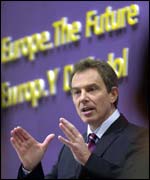
The UK, he had said, had to be at the heart of the European debate as a "vigorous, confident" player - "leading in Europe not limping along several paces behind". "That's why the euro is not just about our economy but our destiny," Mr Blair went on. "We should only join the euro if the economic tests are met. That is clear. But if the tests are passed, we go for it." Rife A few weeks later and the prime minister was more circumspect. In a speech billed as his "landmark" vision of a "new Europe" in Cardiff, all Mr Blair had to say on the euro was: "On the euro we should of course join if the economic conditions are right. A single currency with a single market for Europe makes economic sense." A change in tone? Or just semantics?
Setting aside the possibility of war in Iraq, the euro will dominate the political undercurrent in 2003 - referendum or no referendum. The big date, of course, is 7 June, by which time the Treasury must rule on Gordon Brown's famous five tests on the euro. But it won't be the only key moment of the year. Blueprint Euro campaigners on all sides will be watching developments in the eurozone too. Will the growth and stability pact - the rules which euro countries must abide by - be reformed? Will the Convention on Europe's future come up with a blueprint which falls along Mr Blair's inter-governmental approach rather than the federalist aspirations of Romano Prodi? Will the European Central Bank be reformed? Will the Swedes vote to adopt the euro in their referendum on 14 September? Will there be signs of improvement in eurozone economies? Economic reform, a vision of Europe along the lines set out by Mr Blair in his "landmark" speech in Cardiff and a Swedish "yes" vote, would all make it easier for the prime minister to win a UK referendum. At a meeting with business leaders recently, Mr Blair is said to have accepted that the Swedish vote would be crucial to his hopes of winning a poll. That seems to suggest he's aiming - as some Labour MPs believe - for an autumn referendum after a short campaign.
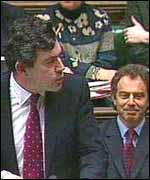
And whether the deliberations on the future of Europe by Valery Giscard D'Estaing have really permeated the consciousness of the Great British Public seems a tad unlikely. So for now, as shown by more speculation in the last two days of 2002, we can expect more of the same. In the run-up to the big decision in June, there will be endless stories on Mr Blair's desire or otherwise to call a referendum. Every dot and comma of speeches and documents from the Treasury will be scrutinised. Betting There will be more stories about the infamous difference of opinion between the Mr Blair and Mr Brown. Not much of it will really inform the debate on the euro - the decision the prime minister is said to hope will seal his place in history. But it's certainly true that for all the other voices in the euro debate, theirs are the only two which really matter. The current betting is that there won't be a poll in 2003 - but that could have changed by next week. It is 30 years since the UK joined the European Economic Community. That episode provoked fierce debate - the UK's euro question will be no less intense in 2003. And the irony is that in 12 months time, it's quite feasible that voters will be no nearer making their historic choice at the ballot box. | |
See also:  26 Feb 02 | Europe 05 Dec 02 | Europe 18 Feb 03 | Politics 21 Nov 02 | Politics Internet links: The BBC is not responsible for the content of external internet sites | ||||||||||||||||||||||||||||||||||||||||||||||||||||||||||||||||||||||||||||||||||||||||||||||||||||||||||
 | |
|  E-mail this story to a friend E-mail this story to a friend |
| |
|
| | | ||
 | ||||
 | | Back to top
| ||
| ---------------------------------------------------------------------------------- To BBC Sport>> | To BBC Weather>> | To BBC World Service>> ---------------------------------------------------------------------------------- © MMIII | News Sources | Privacy |






 That's why the euro is not just about our economy but our destiny