|
 |
 | | | | | | |||||||||||||||||||||||||||||||||||||||||||||||||||||||||||||||||||||||||||||||||||||||||||||||||||||||||||||||||||||||||||||||||||||||||||||||||||||||||
| | | You are in: UK: Politics | |||||||||||||||||||||||||||||||||||||||||||||||||||||||||||||||||||||||||||||||||||||||||||||||||||||||||||||||||||||||||||||||||||||||||||||||||||||||||||
|
| | Tuesday, 3 December, 2002, 15:22 GMT Heroin to be offered on the NHS 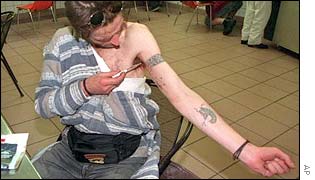 The government wants to target vulnerable people Heroin is to be available on the NHS to all those with a clinical need for it, as part of the government's new drugs strategy. About 400 heroin users already get the drug legally on NHS prescription but access nationwide is patchy.
It was published amid criticism from the government's former drugs policy co-ordinator that ministers' stance on cannabis was now a "dog's breakfast". Heroin users would be given prescribed supplies of the drug in safe, medically supervised areas, using clean needles. A government official said the drug would be prescribed only where other treatments, such as methadone, had not worked or where doctors believed they would not work. The plan does not extend to Scotland, where the Scottish Executive says it will monitor the move. Cutting the rapid rise of crack cocaine use is another target of the government plan, which updates the 1998 strategy. Cannabis trials New plans include reducing the supply of the drug to the UK and introducing more specialist treatment programmes. The focus on Class A drugs follows research suggesting that 99% of the costs run up by drug users comes from Class A addicts. Clinical trials have been taking place into the use of cannabis for medical treatment. The drugs company steering those trials is now set to apply for a licence and ministers say they are encouraged by the results of the tests so far. Other plans in the strategy include:
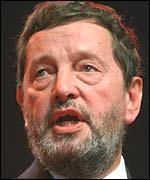
Mr Blunkett said: "We know cannabis is dangerous but it does not lead to the kind of total disintegration of people's lives that heroin, crack and ecstasy do, and we know they kill. "We are concentrating on a massive increase in treatment - we have the first National Treatment Centre - and we are going to link that with rehabilitation." Specific targets for reducing the numbers of people taking drugs are being dropped. In a move that has provoked criticism, Mr Blunkett said the target of halving hard drug use by 2008 was "not credible". Those who prefer a more liberal strategy say the government is sending out mixed messages.
Mr Blunkett downgraded cannabis from Class B to C in order to allow greater focus on Class A drugs such as heroin and cocaine. That meant it remained illegal, but possession of small amounts would no longer be considered an arrestable offence. Mixed messages? Keith Hellawell, former UK drugs coordinator for the government, said he felt the cannabis issue had become a "dog's dinner". He added: "David Blunkett is making the signal to young people that it is alright. "He will deny it but that is the signal." Roger Howard, chief executive of charity DrugScope, praised the focus on hard drugs and the shift towards more treatment. But Mr Howard added: "We regret that the government did not seize this opportunity to be more bold. "Important opportunities to save lives have been missed by refusing to back harm minimisation schemes, such as safe injecting rooms." Stirring moral panic Mr Howard argued that putting ecstasy in the same bracket as cocaine and heroin would seriously undermine the strategy's credibility among young people. The Conservatives have been pushing for many more rehabilitation centres for users of heroin and cocaine. The Liberal Democrats meanwhile welcomed the focus on hard drugs but said making possession of Class C drugs an arrestable offence made a mockery of reclassifying cannabis. Home affairs spokesman Simon Hughes said: "The government should stop whipping up moral panic about cannabis and ecstasy and focus the efforts of the criminal justice system on heroin and crack cocaine." | |
See also:  03 Dec 02 | Politics 03 Dec 02 | Health Internet links: The BBC is not responsible for the content of external internet sites | |||||||||||||||||||||||||||||||||||||||||||||||||||||||||||||||||||||||||||||||||||||||||||||||||||||||||||||||||||||||||||||||||||||||||||||||||||||||||
| |
|  E-mail this story to a friend E-mail this story to a friend |
| |
|
| | | ||
 | ||||
 | | Back to top
| ||
| ---------------------------------------------------------------------------------- To BBC Sport>> | To BBC Weather>> | To BBC World Service>> ---------------------------------------------------------------------------------- © MMIII | News Sources | Privacy |