|
 |
 | | | | | | ||||||||||||||||||||||||||||||||||||||||||||||||||||||||||||||||||||||||||||||||||||||||||
| | | You are in: UK | ||||||||||||||||||||||||||||||||||||||||||||||||||||||||||||||||||||||||||||||||||||||||||||
|
| | Tuesday, 3 December, 2002, 15:17 GMT Drugs: How treatment works
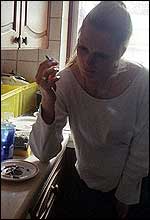
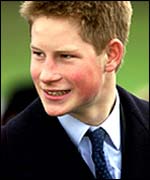
Of the quarter-of-a-million hard drug users in Britain, about 1,000 pass through the doors of Phoenix House's residential treatment centres every year. Many come out the other side drug-free and ready to embark on a new life. That's the sort of progress that the government is hoping to emulate with its modified drugs strategy. Announced on Tuesday, by Home Secretary David Blunkett, the strategy will see an expansion of treatment services tailored to individual needs, including residential programmes. Phoenix House has 300 beds in seven homes dotted around the country, including Featherstone Lodge in south London, which was visited by Prince Harry in a publicity exercise earlier this year.
Even then, the success rate is little over 50%, says Bill Puddicombe, chief executive of Phoenix House. Relapses are common, although patients are told this and taught how to deal with them. "The results are not just about getting someone off drugs. We also help them to change the elements in their life that led them into drugs in the first place," says Mr Puddicombe. Getting clean "By the time they come out, they have a significantly better chance of finding a place to live and starting a steady job."
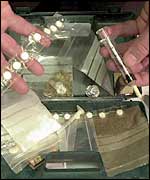
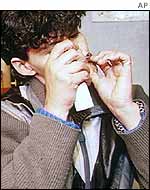
Heroin users make up the majority of Phoenix's clients, although it is seeing a growing number of crack-cocaine addicts. Increasingly, users are mixing these drugs and compounding their addiction with alcohol, says Mr Puddicombe. After cleaning their systems, addicts are encouraged to piece together the jigsaw of their lives and see what led them to drugs - a process that may take two months. "A lot of the people we see have led very, very difficult lives. Many have been in care as children; lived in unstable housing; have difficult family relationships and have no education."
Having come to terms with their life, users must then tell their story to their fellow addicts. "The most difficult thing as an addict is to look yourself squarely in the eyes and allow other people to so the same." Fix on the future That bridge crossed, they then consolidate their progress by fixing on the idea of a drug-free lifestyle. "They look at how to move their life on and be independent, how to deal with a relapse (most people do have them); handle family relationships; improve literacy and their employment opportunities."
Some users go on to spend another six months in supported housing. Those that don't are encouraged to move into a new environment to help break the drugs link. Not all Phoenix's treatment is residential. It handles about 4,000 addicts a year across a range of programmes. One pilot project in London targeted drug users threatened with eviction from housing associations. "Users tend to live chaotic lives where they can't handle daily commitments. We sent people in to talk to assist users in budgeting and paying bills and in every case not only did we avoid eviction but the cost of our work proved cheaper than the cost of evicting someone." | | See also:  03 Dec 02 | Politics Top UK stories now: Links to more UK stories are at the foot of the page. | ||||||||||||||||||||||||||||||||||||||||||||||||||||||||||||||||||||||||||||||||||||||||||
| |
|  E-mail this story to a friend E-mail this story to a friend |
| |
| Links to more UK stories |
| | | ||
 | ||||
 | | Back to top
| ||
| ---------------------------------------------------------------------------------- To BBC Sport>> | To BBC Weather>> | To BBC World Service>> ---------------------------------------------------------------------------------- © MMIII | News Sources | Privacy |