
|
 |
 | | | | | | |||||||||||||||||||||||||||||||||||||||||||||||||||||||||||||||||||||||||||||||||||||||||||||||||||||||||||||||||||||||||||||||||||||||||||||||||||
| | | You are in: UK: Politics | |||||||||||||||||||||||||||||||||||||||||||||||||||||||||||||||||||||||||||||||||||||||||||||||||||||||||||||||||||||||||||||||||||||||||||||||||||||
|
| | Tuesday, 12 November, 2002, 12:41 GMT Kilfoyle: Threat at home, not abroad 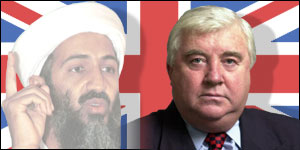 Former defence minister Peter Kilfoyle asks why the government is focusing its attention on Iraq and Saddam Hussein when intelligence warnings show the real danger to the UK is from al-Qaeda? Prime Minister Tony Blair's sudden warnings of the need for high vigilance against terrorist attacks are liable in many instances to fall on deaf ears. There are many who will question the priorities of his government, and who smell a whiff of panic in his comments.
What we were told were generalised warnings are now becoming particularised. This brings home that we are actually talking about entirely unrelated situations: the terrorist threat from al-Qaeda, and Iraq and the Middle East. Upside-down priorities One is a demonstrable threat, as seen from the events of 11 September last year and in Bali this year. The other is a politically manoeuvred threat without any objective evidence to support the idea that there is any immediate danger from the Iraqi dictator Saddam Hussein To my knowledge, no one had ever said there has been any direct immediate threat to the UK from Iraq. It strikes me as bizarre that we should be preparing to pledge huge resources to a non-immediate threat in the Middle East while we are being told that there is an immediate threat at our ports, our airports and on our ferries. It seems strange that we have our priorities upside down in this way and it illustrates how government thinking in Britain, and undoubtedly elsewhere, has failed to come to terms with the new realities of the post-Cold War 21st century. Misordered priorities There is still time for Tony Blair to re-order the government's thinking to meet the UK's security needs rather than to fall in with American ideological imperatives. The very first thing that must be done is to properly recognise just what the nature of the threat faced by the UK is - and from where it comes. And the hard reality is that given the government's recent reaction to its intelligence information, that threat is here in the UK from terrorist organisations. It is not from a far-away Middle East despot who has no links whatever with those terrorist groups. The national interest and security are not served by meeting the objectives of other countries such as US, but by meeting our own concerns. By his own statements, the prime minister suggests it is terrorism at home, not an imaginary threat in the Middle East, which ought to direct his thinking. | |
See also:  11 Nov 02 | Politics 11 Nov 02 | Politics 08 Nov 02 | Politics 11 Nov 02 | Politics 10 Apr 02 | Politics Internet links: The BBC is not responsible for the content of external internet sites | |||||||||||||||||||||||||||||||||||||||||||||||||||||||||||||||||||||||||||||||||||||||||||||||||||||||||||||||||||||||||||||||||||||||||||||||||||
| |
|  E-mail this story to a friend E-mail this story to a friend |
| |
|
| | | ||
 | ||||
 | | Back to top
| ||
| ---------------------------------------------------------------------------------- To BBC Sport>> | To BBC Weather>> | To BBC World Service>> ---------------------------------------------------------------------------------- © MMIII | News Sources | Privacy |






