|
 |
 | | | | | | ||||||||||||||||||||||||||||||||||||||||||||||||||||||||||||||||||||||||||||||||||||||||||||||||||||||||||||||||||||||||||||||||||||||||||||||||||||||||||||||||||||||||
| | | You are in: UK: Politics | ||||||||||||||||||||||||||||||||||||||||||||||||||||||||||||||||||||||||||||||||||||||||||||||||||||||||||||||||||||||||||||||||||||||||||||||||||||||||||||||||||||||||||
|
| | Friday, 23 August, 2002, 15:22 GMT 16:22 UK Blair's African crisis dilemma 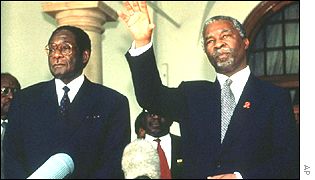 Mbeki's stance could prove a crucial factor
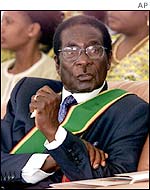
From the UK's point of view, every aspect of the Zimbabwe crisis is regrettable. On the ground, the situation deteriorates daily, both for the few thousand white farmers whose land is being confiscated and for the millions of black Zimbabweans facing the prospect of famine.
Precisely because of British colonial links, attempts to intervene are angrily rebuffed by Mr Mugabe. Spirit of defiance But those same ties mean the fate of Zimbabweans is followed closely in the UK, and the government's impotence is all too glaringly obvious. If there is any comfort, it is that no other country is doing any better. The travel ban imposed by the European Union was originally aimed at encouraging disaffection among President Mugabe's henchmen.
The "troika" of leaders from South Africa, Nigeria and Australia was instructed by the Commonwealth to find ways to improve the situation after the election. But they have made little headway since they tried but failed to set up a dialogue between President Mugabe and opposition leaders. Other sanctions or attempts at engagement have fared little better. Lessons from Washington Most outside critics agree that the only effective way to influence the Zimbabwe leader is through fellow Africans. And it is those southern African neighbours whose economies are most closely linked to Zimbabwe who are seen as all-important. Here too, however, the UK has been at pains not to dictate to African leaders how they should negotiate with Mr Mugabe.
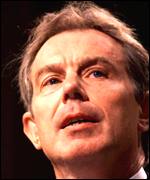
A senior Washington official claimed - perhaps rather ill-advisedly - that the US was working with Zimbabwe's African neighbours to try to isolate President Mugabe. Almost immediately, South Africa, Botswana and Mozambique all denied trying to force the Zimbabwe leader to do anything. Summit strategies The US had little option but to back track. What was meant, said a spokesman, was that Washington was merely consulting countries on how to encourage democracy in Zimbabwe. That is one reason why, despite the challenge from the leader of the Conservative opposition, Tony Blair's ministers have vigorously rejected the idea he should make the crisis in Zimbabwe the focus of the coming UN sustainable development summit in Johannesburg. Mr Blair knows that such a strategy could back fire badly. The UK and others would dearly like Zimbabwe's neighbours to intervene on their behalf. Even British Conservatives admit that the key to influencing Mr Mugabe is his neighbours. Confrontation? But the truth of the matter is that not all governments in Africa are as unsympathetic to President Mugabe's plans for land reform as those in Europe and America. And what could be worse for Tony Blair than to provoke a split at the summit by being too confrontational over Zimbabwe? So much safer for the British rime minister to use this summit as a backdrop to focus on the need to invest in Africa's future and skate around the uncomfortable fact that the UK has no answers for this present crisis. | |
See also:  23 Aug 02 | Africa 22 Aug 02 | Politics 14 Aug 02 | Politics 15 Aug 02 | Africa 12 Aug 02 | Africa 22 Aug 02 | Science/Nature 23 Aug 02 | Politics Internet links: The BBC is not responsible for the content of external internet sites | ||||||||||||||||||||||||||||||||||||||||||||||||||||||||||||||||||||||||||||||||||||||||||||||||||||||||||||||||||||||||||||||||||||||||||||||||||||||||||||||||||||||||
| |
|  E-mail this story to a friend E-mail this story to a friend |
| |
|
| | | ||
 | ||||
 | | Back to top
| ||
| ---------------------------------------------------------------------------------- To BBC Sport>> | To BBC Weather>> | To BBC World Service>> ---------------------------------------------------------------------------------- © MMIII | News Sources | Privacy |