|
 |
 | | | | | | |||||||||||||||||||||||||||||||||||||||||||||||||||||||||||||||||||||||||||||||||||||||||||||||||||||||||||||||||||||||||||||||||||||||||||||||||||||||||||||||||
| | | You are in: UK: Politics | |||||||||||||||||||||||||||||||||||||||||||||||||||||||||||||||||||||||||||||||||||||||||||||||||||||||||||||||||||||||||||||||||||||||||||||||||||||||||||||||||||
|
| | Friday, 12 July, 2002, 19:45 GMT 20:45 UK The proof of the Sangatte pudding 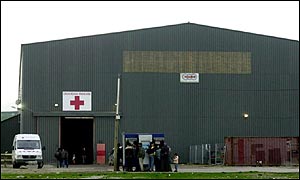 Sangatte's closure is seen as a timely initiative
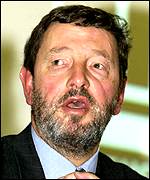
David Blunkett seems to have taken something of a shine to his black-browed opposite number, French Interior Minister Nicolas Sarkozy. At their first meeting in London on June he described him as a man he could do business with. This time, in Paris, he said Mr Sarkozy was his "very good friend". The French minister reciprocated by personally guiding Mr Blunkett to his seat at the post-talks press conference.
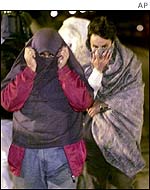
They owe their air of mutual satisfaction to the fact that they have together set in train something that only a few weeks ago seemed highly improbable - the closure of the Sangatte refugee centre. If all goes to plan, then as early as December the 1,500 or so Kurds and Afghans who are housed in the disused hangar will have been dispersed, and what Britain regards as perhaps the major factor behind illegal immigration into the country deactivated. At the latest, the process should be finished by the end of March 2003. It is being hailed as an important breakthrough - quite rightly - but in fact there is a certain amount of smoke and mirrors behind the whole affair. Mr Sarkozy has agreed to the closure at least partly because he accepted British assurances that the so-called "pull factors" that make Britain so attractive to would-be immigrants are being curtailed. Obstacles Mr Blunkett's promises to set up accommodation centres in the countryside and to launch a national consultation on identity cards have thus had their desired effect in convincing the French that Britain is serious. But the French Government must have been informed at the same time of the obstacles against these very policies being put into place. Two county councils have now rejected the accommodation centres, while the widespread outcry from left and right against ID cards must make them a pretty unlikely proposition. However this doesn't seem to have effected the negotiations over Sangatte - and the reason is that what matters is more the perception than the reality.
If Britain can succeed in publicising the view that it is no longer a soft option for asylum-seekers - a view France will happily help in spreading - then it will cease to draw migrants to the Channel tunnel, the argument goes. Whether or not the rules have actually changed that much is less important. The same reasoning underlies the decision to talk tough on the repatriation of Afghans, who make up perhaps 40% of the centre's population. The news that they are to be sent home - voluntarily in the first instance, by force if not - is clearly intended as a deterrent to all future arrivals, even though the majority of those at Sangatte are in fact Iraqi Kurds and thus in theory potential recipients of asylum status. Misapprehension In the end the proof of the pudding will be in the eating. If the British measures - or more accurately the propaganda effect created by the announcement of the British measures - drive home to wandering migrants the message that they are as well off seeking asylum in France or anywhere else, then the pressure at the channel will ease. The closure of Sangatte will be seen as a timely initiative. But it must surely be conceded that the opposite is also possible: that for whatever reasons - the English language, misapprehension about alleged benefits, the presence of established communities, the temptation just to keep going ever-westward - migrants still choose Britain above anywhere else. In which case the crowds sleeping rough will build up once again in Calais and the local authorities will before long be calling for another emergency shelter. At least next time, the authorities should have the wit not to position it one mile from the entrance to the Channel Tunnel. | |
See also:  12 Jul 02 | Politics 23 May 02 | UK 11 Jul 02 | Politics 11 Jul 02 | UK 12 Jul 02 | England 06 Jul 02 | UK 25 Jun 02 | UK 17 Jun 02 | UK 17 May 02 | Europe Internet links: The BBC is not responsible for the content of external internet sites | |||||||||||||||||||||||||||||||||||||||||||||||||||||||||||||||||||||||||||||||||||||||||||||||||||||||||||||||||||||||||||||||||||||||||||||||||||||||||||||||||
| |
|  E-mail this story to a friend E-mail this story to a friend |
| |
|
| | | ||
 | ||||
 | | Back to top
| ||
| ---------------------------------------------------------------------------------- To BBC Sport>> | To BBC Weather>> | To BBC World Service>> ---------------------------------------------------------------------------------- © MMIII | News Sources | Privacy |