|
 |
 | | | | | | |||||||||||||||||||||||||||||||||||||||||||||||||||||||||||||||||||||||||||||||||||||||||
| | | You are in: UK: Politics | |||||||||||||||||||||||||||||||||||||||||||||||||||||||||||||||||||||||||||||||||||||||||||
|
| | Friday, 21 June, 2002, 10:41 GMT 11:41 UK Member states 'need bigger EU role' The MPs want to be able to keep the commission in check National parliaments need a bigger role in European Union decisions to bridge the growing gap between Europe and its people, says a committee of MPs. Members of parliaments in each member state have closer links with the people than any EU institution, but they are being largely bypassed in the decision-making process, complains the House of Commons European Scrutiny Committee.
Reference to "ever closer union" should also be removed from EU treaties, argue the MPs, because such words are "vague and open-ended". Their report comes as European leaders gathered in Seville for their latest summit. 'Disconnection' Those meetings should be held in public when ministers are discussing new laws, says the committee report - something Tony Blair is set to advocate this weekend. The MPs also want a more simplified structure for summits like the Council of Ministers meeting in Spain. "It is extraordinary that the EU's main legislative body (the council of ministers) operates in such a slapdash way," says the committee.
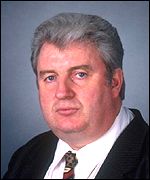
That democratic deficit can only be closed if people have more chance to influence EU decisions, says the report. National parliaments can play a key role in ensuring that aim, it argues, but currently plans are being put forward before MPs have the chance to consider them. "Time for scrutiny by national parliaments should be seen not as an optional add-on but as a fundamental aspect of accountability," the report continues. Where powers lie The committee does not back the idea of every national parliament having a veto over European legislation. But each state's MPs should have a right to more than just consultation over arguments about which powers should be held by the EU and which by nation states, says the committee. Parliaments ought to be able to refer such problems to a special watchdog of senior politicians, it argues. A clearer allocation of powers is also needed, with periodic reviews where some powers could be increased and some returned to member states. There ought also to be joint meetings of members of national parliaments with MEPs to keep the European Commission's work programme in check. Sea change EU national parliaments need also to be directly involved in talks with the Commission in Brussels. Labour MP Jimmy Hood, who chairs the committee, said its proposals would mark a "sea change" in the role of national parliaments in the EU.
"Until now, little notice has been taken of them by the EU institutions, and they have effectively been by-passed," said Mr Hood. "Under our proposals, they would have rights to examine what is happening and to question European commissioners and others." Such debate could centre particularly around whether the commission should be putting forward new laws. Mr Hood added: "This would strengthen the EU rather than weaken it since national parliaments have a much closer relationship with their peoples than any EU institution does. "They can therefore play a crucial role in bridging the increasingly obvious and damaging gap between citizens and EU institutions." | | See also:  11 Jun 02 | UK Politics 20 Jun 02 | UK Politics 13 Dec 01 | Europe 30 Nov 01 | Europe 28 May 01 | Europe 28 May 01 | Europe Internet links: The BBC is not responsible for the content of external internet sites | |||||||||||||||||||||||||||||||||||||||||||||||||||||||||||||||||||||||||||||||||||||||||
| |
|  E-mail this story to a friend E-mail this story to a friend |
| |
|
| | | ||
 | ||||
 | | Back to top
| ||
| ---------------------------------------------------------------------------------- To BBC Sport>> | To BBC Weather>> | To BBC World Service>> ---------------------------------------------------------------------------------- © MMIII | News Sources | Privacy |