|
 |
 | | | | | | |||||||||||||||||||||||||||||||||||||||||||||||||||||||||||||||||||||||||||||||||||||||||
| | | You are in: UK: Politics | |||||||||||||||||||||||||||||||||||||||||||||||||||||||||||||||||||||||||||||||||||||||||||
|
| | Tuesday, 11 June, 2002, 11:10 GMT 12:10 UK Dullness hampers Europe debates European scrutiny is vital, say the MPs Efforts to vet European Union plans are being hampered because politicians and the media find them too dull, says a committee of MPs. Most EU documents are "necessarily complex and unexciting", argue the MPs, and that is a key problem in getting attention for debates on important proposals.
Some new EU rules are being agreed without any scrutiny by the UK Parliament - one of the concerns that has prompted calls for change from the Commons European scrutiny committee. In some cases, the committee has been unable to vet new EU plans properly because it has not been given the information it needs quickly enough, complain the MPs. Keeping check on Brussels The system has greatly improved in recent years, says their report, but longstanding problems remain. The MPs come up with a raft of proposals to tighten up the scrutiny system, which aims to make sure Parliament can check plans drawn up in Brussels before they are agreed by ministers. They want EU plans to be debated in Westminster Hall, the parallel chamber to the Commons, where more time can be given to them.
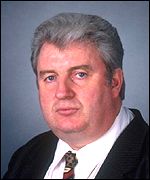
The Commons select committees which hold government departments to account should do more to check plans from the European Commission, says the report. And the MPs want to use the internet in their drive to give the public and interest groups the chance to have their say on how EU plans develop. Bridging the gap Labour MP Jimmy Hood, chairman of the committee, said: "These proposals, together with others in the report, would be a thorough overhaul of the House's scrutiny of EU matters. "In particular, they would reduce the likelihood of EU proposals being agreed without parliamentary scrutiny."
"The government wishes to increase the role of national parliaments in the EU in order to strengthen the EU's democratic legitimacy and bridge the gap between citizens and institutions," he said. "National parliaments, including our own, can only do this if their own handling of EU matters is effective and engages the public attention." The European scrutiny committee looks at an estimated 1,100 EU documents every year. 'Unacceptable behaviour' It has powers which mean the government usually cannot agree to legislation plans in the European Council of Ministers unless the committee has cleared them first. The government puts together briefs on each proposal but in a few cases these take too long to be produced, says the report. "On two recent cases the reason was that two departments were arguing over whose responsibility it was - behaviour we regard as completely unacceptable," it says. In some cases, the committee's powers to clear proposals is overridden because the MPs have not got the information they need in time. 'Vital checks' Bill Cash, a Conservative member of the committee, called those problems "disgraceful". Mr Cash, the shadow attorney general, said the scrutiny issue was crucially important. "A huge percentage of our laws passed by Parliament are in fact derived from European directives and regulations," Mr Cash told BBC News Online. "Just as with a bill of Parliament people expect scrutiny and examination, it follows that it is quite absurd to have legislation that is deemed by law to be superior to British legislation given less scrutiny." | | See also:  13 Dec 01 | Europe 30 Nov 01 | Europe 28 May 01 | Europe 28 May 01 | Europe 29 Apr 01 | UK Politics 14 Mar 01 | Europe Internet links: The BBC is not responsible for the content of external internet sites | |||||||||||||||||||||||||||||||||||||||||||||||||||||||||||||||||||||||||||||||||||||||||
| |
|  E-mail this story to a friend E-mail this story to a friend |
| |
|
| | | ||
 | ||||
 | | Back to top
| ||
| ---------------------------------------------------------------------------------- To BBC Sport>> | To BBC Weather>> | To BBC World Service>> ---------------------------------------------------------------------------------- © MMIII | News Sources | Privacy |