
|
 |
 | | | | | | ||||||||||||||||||||||||||||||||||||||||||||||||||||||||||||||||||||||||||||||||||||||||||||||||||||||||||||||||||||||||||||||||||
| | | You are in: UK: England | ||||||||||||||||||||||||||||||||||||||||||||||||||||||||||||||||||||||||||||||||||||||||||||||||||||||||||||||||||||||||||||||||||||
|
| | Tuesday, 10 December, 2002, 11:55 GMT Work stress due to 'terror fears' 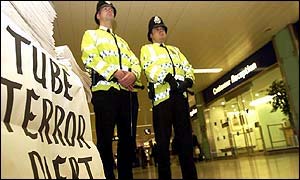 Fears of an imminent UK strike have increased tension Sick leave caused by the fear of a terrorism attack or war with Iraq could be to blame for an increase in absenteeism claims a North East council. Easington District Council in County Durham has recorded an increase in the number of working days lost due to stress. Days lost due to stress rose by more than 2% in the latest four-month period, and illness is now said to be costing the authority around �200,000 a year. A report to councillors on Tuesday suggests anxieties caused by the fear of terrorism and war could be playing a part, as well as factors like stock market troubles. Personal lives Dr Jeff Morgan is an occupational physician and psychiatrist who advises a range of North East organisations on stress management. He said: "When people feel stress they are feeling out of control in different parts of their lives at the same time, so then you understand this (terror threat) could play a part. "As it is part of our lives that we have no control over, then it has a cumulative effect. "The unpredictability of it makes people think that a lot of things in their personal lives are unpredictable too. Society fragmented "The organisations that people are working for can help, they can look at the way they communicate, the way they value people in their work, and look at things like bullying. "They can also look at whether people have a balance between the needs of their families, and their responsibilities in the wider community." He said modern society was becoming more fragmented and that people no longer had the community and family support systems of previous generations. | |
  
See also: 03 Dec 02 | Politics 26 Nov 02 | Politics 27 Nov 02 | Politics Internet links: The BBC is not responsible for the content of external internet sites Top England stories now: Links to more England stories are at the foot of the page. | ||||||||||||||||||||||||||||||||||||||||||||||||||||||||||||||||||||||||||||||||||||||||||||||||||||||||||||||||||||||||||||||||||
| |
|  E-mail this story to a friend E-mail this story to a friend |
| |
| Links to more England stories |
| | | ||
 | ||||
 | | Back to top
| ||
| ---------------------------------------------------------------------------------- To BBC Sport>> | To BBC Weather>> | To BBC World Service>> ---------------------------------------------------------------------------------- © MMIII | News Sources | Privacy |






