
|
 |
 | | | | | | ||||||||||||||||||||||||||||||||||||||||||||||||||||||||||||||||||||||||||||||||||||
| | | You are in: UK: England | ||||||||||||||||||||||||||||||||||||||||||||||||||||||||||||||||||||||||||||||||||||||
|
| | Sunday, 17 November, 2002, 16:51 GMT Hearts strengthened by bone marrow 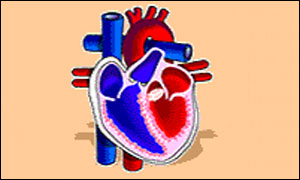 Damaged heart cells do not repair themselves Researchers at the University of Leicester have found that bone marrow cells injected into the heart can help strengthen it after heart attacks. The discovery, the result of a world-first study, was reported at a conference in Chicago on Sunday. The lead researcher, Dr Manuel Galinanes, said the positive effects of injecting bone marrow could be seen just six weeks after the operation. Areas of the heart had been rendered almost useless begain to beat again. The discovery is particularly important because heart muscle cells cannot repair themselves, meaning damage caused by heart attacks is irreversible. The scar or dead tissue left from a heart attack decreases the ability of the heart to force blood through its chambers, and can eventually lead to heart failure. Other uses The university's work will have uses for treating other problems because scientists found bone marrow cells were able to change themselves not only into heart cells, but other types of muscle and tissue cells as well. The bone marrow was taken from the patients' breast bones. It was injected into their hearts during nonemergency heart bypass surgery and again at six weeks and 10 months. In a similar study, US researchers from the Arizona Heart Institute achieved comparable results by extracting immature muscle cells from the thighs of 16 patient, culturing them in the laboratory and injecting them into damaged areas of the heart. A British Heart Foundation spokesperson welcomed the study, but said more research was needed. "We need bigger studies and longer follow-ups of the patients." | |   See also: 12 Nov 02 | Health 01 Nov 02 | Health 27 Aug 02 | Health Internet links: The BBC is not responsible for the content of external internet sites Top England stories now: Links to more England stories are at the foot of the page. | ||||||||||||||||||||||||||||||||||||||||||||||||||||||||||||||||||||||||||||||||||||
| |
|  E-mail this story to a friend E-mail this story to a friend |
| |
| Links to more England stories |
| | | ||
 | ||||
 | | Back to top
| ||
| ---------------------------------------------------------------------------------- To BBC Sport>> | To BBC Weather>> | To BBC World Service>> ---------------------------------------------------------------------------------- © MMIII | News Sources | Privacy |



