
|
 |
 | | | | | | ||||||||||||||||||||||||||||||||||||||||||||||||||||||||||||||||||||||||||||||||||||||||||||||||||||||||||||||||||||||||||||||||||||||||
| | | You are in: Health | ||||||||||||||||||||||||||||||||||||||||||||||||||||||||||||||||||||||||||||||||||||||||||||||||||||||||||||||||||||||||||||||||||||||||||
|
| | Tuesday, 27 August, 2002, 09:16 GMT 10:16 UK Bone marrow hope for stroke patients 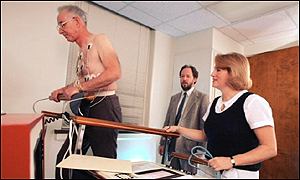 Cell transplants could help stroke patients recover Bone marrow cell transplants could aid recovery from stroke, research in rats has shown. The rats given the cell transplants showed "significant improvements" in their ability to function two weeks after a stroke compared to those who did not have a transplant. Stroke experts say the work could one day lead to better treatment for patients. Researchers from Oakland University in Rochester, Michigan, US gave rats adult human stromal cells - mature cells from bone marrow which have already been used in cancer patients.
"We believe this therapy shows promise in treating stroke, Parkinson's disease, spinal cord injury and traumatic brain injury." Improvements In the study, bone marrow cells were taken from three healthy human donors. Researchers then induced strokes in the rats. Some were then given the cells intravenously one day afterwards. Other rats treated with fibroblast cells, which make up connective tissues, such as cartilage and ligaments. A third group was given no treatment at all. The rats were tested on their motor and sensory abilities and their reflexes before and after their strokes. In tests of their sensory abilities 14 days after the stroke, rats treated with stromal cells completed the test 60% faster than the non-treated rats. An examination of their brains showed they had a 30% improvement in neurological scores for movement and consciousness compared to rats who had received no treatment. They had more of the necessary growth factors needed to stimulate brain cells to develop. There was also less cell death in the area around the stroke. Treatment window Researchers now hope to test the treatment in humans to check it is safe. In an editorial in Neurology, Dr Thomas Kent, from the University of Texas Medical Branch in Galveston, said the treatment should give doctors longer in which to treat stroke patients. He said: "It's very difficult to treat people with a stroke within a narrow time window. "Many people still don't recognize the symptoms of stroke and get to an emergency room quickly enough for treatment. "If this new treatment is effective, it could expand the treatment window by several hours or even longer." Acceptance A spokesman for the Stroke Association told BBC News Online: "In the last few years, neurologists have discovered that the brain can accept new cells and make them its own, in the same way the body can adopt a new heart of kidney. "The technique has already been used, with some success, in people suffering from Parkinson's disease as well as a few stroke patients in the United States. "This research uses a new form of potential cells so it is still to early to know whether they will work. "Ideally what is needed are immature cells which have not yet decided what role they will play." He added: "If these transplants work there could be huge benefits for the 300,000 people who are currently living with devastating affects of stroke." | | See also:  24 Jul 02 | Health 07 Feb 01 | Health 27 Jun 02 | Health 05 Sep 01 | Health 22 Jul 01 | Health Internet links: The BBC is not responsible for the content of external internet sites Top Health stories now: Links to more Health stories are at the foot of the page. | ||||||||||||||||||||||||||||||||||||||||||||||||||||||||||||||||||||||||||||||||||||||||||||||||||||||||||||||||||||||||||||||||||||||||
| |
|  E-mail this story to a friend E-mail this story to a friend |
| |
| Links to more Health stories |
| | | ||
 | ||||
 | | Back to top
| ||
| ---------------------------------------------------------------------------------- To BBC Sport>> | To BBC Weather>> | To BBC World Service>> ---------------------------------------------------------------------------------- © MMIII | News Sources | Privacy |





