
|
 |
 | | | | | | ||||||||||||||||||||||||||||||||||||||||||||||||||||||||||||||||||||||||||||||||||||||
| | | You are in: UK: England | ||||||||||||||||||||||||||||||||||||||||||||||||||||||||||||||||||||||||||||||||||||||||
|
| | Thursday, 24 October, 2002, 12:02 GMT 13:02 UK Fat worms unravel human ageing 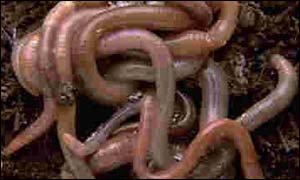 Research shows some worms get fat as they age A Newcastle professor says fat worms can help unravel the ageing process in people. Professor Tom Kirkwood of Newcastle University has been involved in American-based research into worms that grow fat in their old age. Mr Kirkwood, professor of medicine at the University's Institute for Ageing and Health, says there is now a chance to unravel some of the secrets of ageing. He described the discovery that worms suffer muscle deterioration and run to fat once their youth has passed as a "major discovery".
The American research is published in Nature magazine, with a commentary by Mr Kirkwood. Worms, some of which have a lifespan of about three weeks, have been used for years to study the ageing process. Prof Kirkwood said: "What they have shown in worms is what we are trying to understand in people - how they age. "We know a good deal about frailty, disability and disease when it comes to ageing in people, but some worms are so small that all people could tell about them was that they were either living or dead. "The really exciting thing about this study is that they are now looking at the changes in the cells of the worms as they age. One of the changes is a deterioration of their muscles which is similar to that in humans." 'Couch potatoes' One of the puzzles of growing older is that individuals age in different ways and rates - as do the worms. Mr Kirkwood added: "In humans that variability may be down to genes and upbringing, the difference between rich and poor, that some people may have healthy lifestyles and others may be couch potatoes. "But something else we suspect that is important in human ageing is just luck - chance in how the ageing process works out." This element is one focus of the work at the Newcastle institute, said to be the most respected of its type in Europe. Eternal youth Mr Kirkwood said many scientists believed the human body is programmed to die. But he said: "My research shows that is wrong. There is nothing in the body which programmes our death. Quite the opposite is true - the body is programmed for survival." And he said worm research provides the opportunity to investigate this further. "There are lessons we can learn from research on the worms that can be carried back into the study of ageing in humans. "Ultimately, the goal of our research is not to find the secret of eternal youth, but to understand the causes of ageing so that we can improve the quality of our later years." | |   See also: 18 Oct 02 | Breakfast 17 Oct 02 | Business 04 Oct 02 | Health Internet links: The BBC is not responsible for the content of external internet sites Top England stories now: Links to more England stories are at the foot of the page. | ||||||||||||||||||||||||||||||||||||||||||||||||||||||||||||||||||||||||||||||||||||||
| |
|  E-mail this story to a friend E-mail this story to a friend |
| |
| Links to more England stories |
| | | ||
 | ||||
 | | Back to top
| ||
| ---------------------------------------------------------------------------------- To BBC Sport>> | To BBC Weather>> | To BBC World Service>> ---------------------------------------------------------------------------------- © MMIII | News Sources | Privacy |





