
|
 |
 | | | | | | ||||||||||||||||||||||||||||||||||||||||||||||||||||||||||||||||||||||||||||||||||||||||||||||||||||||||||||||||||||
| | | You are in: UK: England | ||||||||||||||||||||||||||||||||||||||||||||||||||||||||||||||||||||||||||||||||||||||||||||||||||||||||||||||||||||||
|
| | Wednesday, 16 October, 2002, 21:09 GMT 22:09 UK Wait nearly over for bomb evacuees 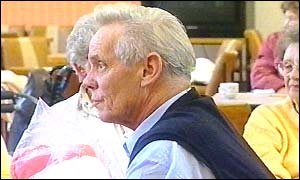 Residents have spent two nights in safe accommodation Army bomb disposal experts were removing an unexploded bomb from a Sunderland housing estate on Wednesday night, and taking it to a nearby beach for a controlled detonation. The unexploded World War II bomb was being moved to a point known as Salterfen Rocks, after the device's fuse had been treated and made safe by the team. There are not many homes in the area, and householders in the few buildings nearby were warned to open their windows to minimise any shockwave effects. Police say if a controlled explosion had been carried out in Suffolk Street, Sunderland, where the bomb was found, there would have been damage caused to nearby properties. Mechanical digger On Wednesday night officers warned people in a 500m radius of the beach area that they would hear a loud bang when the device was detonated. Householders were also told to keep out of rooms facing in the direction of the beach. The warning was given to homes east of Ryhope Road, north of Acklam Avenue, and south of Grange Street adjacent to Ocean Road. The 450kg bomb was found by builders on Monday in the grounds of a medical centre in the Hendon area. German bomber More than 2,000 people spent two nights away from home after a 400m exclusion zone was imposed. A further 1,000 people refused to move, despite police appeals and warnings that the 60-year-old bomb is unstable. The bomb was accidentally reactivated after being dug up by workmen using a mechanical digger. The device, the size of an oil drum, is thought to have been dropped by a German Heinkel bomber in 1940. | |
  See also: 15 Oct 02 | England 20 Sep 02 | England 06 Jun 02 | Wales 19 Apr 00 | UK 19 Apr 00 | UK Internet links: The BBC is not responsible for the content of external internet sites Top England stories now: Links to more England stories are at the foot of the page. | ||||||||||||||||||||||||||||||||||||||||||||||||||||||||||||||||||||||||||||||||||||||||||||||||||||||||||||||||||||
| |
|  E-mail this story to a friend E-mail this story to a friend |
| |
| Links to more England stories |
| | | ||
 | ||||
 | | Back to top
| ||
| ---------------------------------------------------------------------------------- To BBC Sport>> | To BBC Weather>> | To BBC World Service>> ---------------------------------------------------------------------------------- © MMIII | News Sources | Privacy |






