|
 |
 | | | | | | |||||||||||||||||||||||||||||||||||||||||||||||||||||||||||||||||||||||||||||||||||||||||||||||||||||||||||||||||||||||||||||||||||||||||||||||||||||||||||||||||||||||||||||||||||||||||||||||||||||||||||||||||||||||||||||||||||||||||||||||||||||||||||||||||||||||||||||||||||||||||||||||||||
| | | You are in: UK: Education | |||||||||||||||||||||||||||||||||||||||||||||||||||||||||||||||||||||||||||||||||||||||||||||||||||||||||||||||||||||||||||||||||||||||||||||||||||||||||||||||||||||||||||||||||||||||||||||||||||||||||||||||||||||||||||||||||||||||||||||||||||||||||||||||||||||||||||||||||||||||||||||||||||||
|
| | Wednesday, 14 August, 2002, 21:10 GMT 22:10 UK Analysis of the results 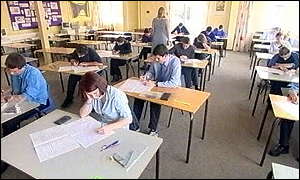 There has been a big drop in maths A-level entries Analysis of the provisional A-level results throws up many questions which exam experts admit are going to take time to answer. The pass rate is up - dramatically so. The proportion of entries awarded all grades, A to E, rose 5.01% in a year. But the number of entries was down even more sharply, falling 6.34% to 701,380. The proportion getting A grades was up from 18.6% to 20.7%. Unknown quantities One thing that everyone finds frustrating with these August provisional figures is that they relate to exam entries - not to people. It is estimated that about 265,000 candidates took A-levels, but until the numbers are crunched later in the year that is not certain. So it is not known how many individuals took how many exams or what they were. Everyone presumes that the effect of having AS-levels followed by A2s to make up an A-level is behind the rise in the pass rate and the fall in entries. But no-one knows yet what happened to all those who presumably did not go on to complete an A-level. Of the total fall in entries of 47,486, almost 30,000 is explained by the sharp decline in the popularity of general studies - for reasons which are not entirely clear. National differences The overall figures relate to England, Wales and Northern Ireland. England dominates, with 640,389 of the 701,380 A-level entries (91%). Northern Ireland's 27,853 entries showed a broadly similar pattern - 4.23% fewer than last year, with the pass rate up by 4.3 percentage points, to 96.4%, the highest of all three countries. Welsh exam entries did not follow the general pattern, however. The pass rate did jump, but only by 3.8 percentage points (to 95.8%). Welsh anomaly But there was no pronounced drop in the number of A-level entries, which went down by only 159, to 33,138. But completely against the trend there was a big increase in entries for the Welsh exam board, WJEC. The board said demand for its exams rose this year by 15.6%, albeit to only 31,104, with more than a third of those being taken by people in England. The success rate was 98.2%. Figures for England, Wales and Northern Ireland as a whole are published by the joint qualifications council in London. These show that the number of A-level entries at exam centres in Wales - using whichever of the exam boards - was almost unchanged from last year, at 33,138. The pass rate in Wales did go up - to 95.8%, still more than in England, where it was 94.1%. But the 3.8 point year-on-year rise was lower than the 4.5 point rise in England. While the talk prompted by the overall figures is that a 100% pass rate might be achievable within a few years, the WJEC has almost reached that point already. Maths alarm There have also been some striking changes this year within individual subjects across the exam boards. The biggest concern is over maths.
Last year's AS-level was notoriously difficult, and 28.6% of entries failed. A review is ongoing and changes are expected to be proposed this autumn with a view to a revised exam being made available, but not until January 2005. But a drop in the numbers pursuing the subject to the full A-level this year had been expected, therefore. It turns out there were 53,940 entries - 12,307 fewer than for the old A-level last year, a decline of more than 18%. Payback time Some university maths professors have repeatedly claimed that the subject has become easier at A-level in recent years, so that they are having to run "catch up" courses. John Guy, principal of Farnborough Sixth Form College in Farnborough, Hampshire, accused university maths departments of having lobbied the exam watchdog, the QCA, to make the A-level harder. "My view is that some academics petitioned government and the QCA to prove the magnificence of maths, and the chickens have come home to roost," he said. "I don't know what university maths departments now feel about it." The head of employee relations at the employers' organisation the CBI, Katja Klasson, said: "Despite some increase in those taking physics, it's a growing concern that the numbers taking chemistry and maths at A-level have again fallen. "This is bad for the economy and for schools looking for tomorrow's teachers." Ups and downs There was however a jump in the numbers of AS-level maths entries this year, from 57,677 to 67,268. The success rate improved but still more than a fifth failed - easily the highest failure rate. Yet the proportions of A grades awarded for maths - 25.9% at AS-level and 36.6% for the full A-level - were very high. Other subjects in decline at A-level were general studies (down 34%), business studies (down almost 25%), communication studies (down 26%), and German (down 17%). The big risers in the popularity stakes were computing (up 23%), media studies (up 28%). Entries for "other modern languages" - other than French, German, Spanish and Welsh, that is - more than doubled, albeit to only 5,523. The 2002 A-level results are a watershed, marking the biggest change in the qualification since it came in 51 years ago. It is going to be some time before the full story is told. The table below shows the relative popularity of different subjects, in terms of the number of entries. The table below that shows how this has changed since last year - sometimes quite dramatically.
| |
Internet links:  The BBC is not responsible for the content of external internet sites Top Education stories now: Links to more Education stories are at the foot of the page. | |||||||||||||||||||||||||||||||||||||||||||||||||||||||||||||||||||||||||||||||||||||||||||||||||||||||||||||||||||||||||||||||||||||||||||||||||||||||||||||||||||||||||||||||||||||||||||||||||||||||||||||||||||||||||||||||||||||||||||||||||||||||||||||||||||||||||||||||||||||||||||||||||||
| |
|  E-mail this story to a friend E-mail this story to a friend |
| |
| Links to more Education stories |
| | | ||
 | ||||
 | | Back to top
| ||
| ---------------------------------------------------------------------------------- To BBC Sport>> | To BBC Weather>> | To BBC World Service>> ---------------------------------------------------------------------------------- © MMIII | News Sources | Privacy |