
|
 |
 | | | | | | |||||||||||||||||||||||||||||||||||||||||||||||||||||||||||||||||||||||||||||||||||||||||||||||||||||||||||||||||||||||||||||||||||
| | | You are in: UK | |||||||||||||||||||||||||||||||||||||||||||||||||||||||||||||||||||||||||||||||||||||||||||||||||||||||||||||||||||||||||||||||||||||
|
| | Friday, 31 January, 2003, 13:11 GMT Why can't we cope with bad weather?  Roads and railways came to a standstill on Thursday night after snow and high winds hit much of the UK. But why do we struggle to cope with the effects of bad weather? With the threat of a terror attack on Britain looming large, we have come to realise exactly what it takes to bring the country to its knees in a juddering fit of incapacity - a spot of snow. Across large parts of the UK, people have been battling the elements to make the daily commute into work. They were the lucky ones. Some motorists didn't even make it home on Thursday night after high winds and a few hours of heavy snowfall brought many roads to a standstill.
Those travelling by public transport didn't fare much better. The "extreme" weather was blamed for severe delays and cancellations on the railways (although some commuters caught up in the commotion struggled to notice a difference from "normal" service). Large parts of London's Tube network, which was already floundering from the closure of the arterial Central Line, were knocked out and major stations had to be evacuated for fear of overcrowding. Anyone with ambitions to escape it all for warmer climes was thwarted in their tracks. Stansted airport was closed completely while Heathrow and Gatwick suffered heavy delays. In a spin Now, as a tentative thaw begins, many people are considering what has come to be one of the great imponderables of British life: why can't we cope? The average Canadian or Norwegian would hardly blink at weather conditions 10 times as severe.
Even such natural phenomena as deciduous trees can bring our railways to a grinding halt, thanks to the perennial leaves on the line alibi. And if it's not the weather, there's always something else. In the past three years the foot-and-mouth crisis and fuel blockades have thrown our daily routines off kilter. Between two stools The problem, says Tom Pine, an emergency planning consultant, is not that we get too much severe weather, but we don't get enough.
"The problem is that British weather falls between two stools, so it's difficult to act on every eventuality in time." Contingency plans are handled on a bottom-up basis. The first line of "defence" are the emergency services, then the town halls and at the top of the ladder is central government. And by and large this system works well, says Mr Pine. "Today, in local councils up and down the country, they are effectively handling pupils from schools which have had to close and looking after elderly people who can't get out.
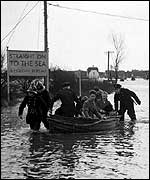
He dismisses any notion that we never learn from our mistakes, pointing to the lessons we learned from the North Sea floods of exactly 50 years ago. More than 300 people died on the night of 31 January 1953 after surging tides hit the east coast. "As people were dying in Lincolnshire, in Canvey Island they were tucking themselves up in bed completely unaware of what was happening. They died in their beds." Today's early warning systems mean this would not happen again, says Mr Pine. But the fickleness of British weather means however much we plan, it remains the weak link in the chain of everyday certainties. | |
See also:  31 Jan 03 | UK 31 Jan 03 | UK 31 Jan 03 | England 31 Jan 03 | UK 29 Jan 03 | UK Top UK stories now: Links to more UK stories are at the foot of the page. | |||||||||||||||||||||||||||||||||||||||||||||||||||||||||||||||||||||||||||||||||||||||||||||||||||||||||||||||||||||||||||||||||||
 | |
|  E-mail this story to a friend E-mail this story to a friend |
| |
| Links to more UK stories |
| | | ||
 | ||||
 | | Back to top
| ||
| ---------------------------------------------------------------------------------- To BBC Sport>> | To BBC Weather>> | To BBC World Service>> ---------------------------------------------------------------------------------- © MMIII | News Sources | Privacy |




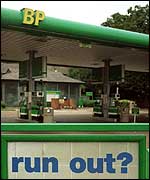
 The British are a stubborn lot - we are told to stay at home but we ignore it


 TALKING POINT
 Snow storms