|
 |
 | | | | | | |||||||||||||||||||||||||||||||||||||||||||||||||||||||||||||||||||||||||||||||||||||||||||||||||||||||
| | | You are in: UK | |||||||||||||||||||||||||||||||||||||||||||||||||||||||||||||||||||||||||||||||||||||||||||||||||||||||||
|
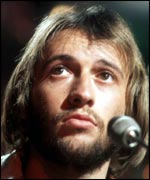
| | Sunday, 12 January, 2003, 07:19 GMT Obituary: Maurice Gibb  Maurice Gibb: part of a pop legend As a member of the Bee Gees, with world-wide record sales exceeding 110 million, Maurice Gibb enjoyed a place among the top five of the most successful recording artistes of all time, along with The Beatles, Elvis, Michael Jackson and Sir Paul McCartney. The group wrote and produced six consecutive Number One singles in the United States, while in Britain they wrote chart-topping hits in four consecutive decades. But the life of Maurice Gibb, the Bee Gees' bass guitarist and keyboard player, mirrored the ups and downs of the group's experience.
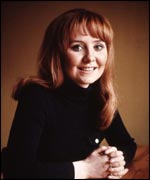
In 1958, the family moved to Australia, where they wasted no time in promoting their would-be showbiz careers, adopting the name Bee Gees as an abbreviation of the Brothers Gibb. They had limited success but in 1967, just as they decided to try their luck in Britain, they made the breakthrough and were voted Group of the Year in Australia. In England, Robert Stigwood, partner of the Beatles' Brian Epstein, became the Bee Gees manager and the hits started coming. New York Mining Disaster 1941 was followed by Massachusetts and during a 16-month period, the Bee Gees chalked up Number One hits in 15 countries. Failed marriage But already, fame and money were accompanied by the familiar perils of drugs, alcohol and feuding. While Robin pursued a solo career, Barry and Maurice spent excessively and married, Maurice to singer, Lulu.
They married in 1969 and lived in exclusive Hampstead, in north London, where they indulged in the trappings of wealth, with Maurice buying a Rolls-Royce, a Bentley and an Aston Martin in the space of a few days. But Maurice had by now hit the bottle, and when party guests left, the couple rowed. They split up in 1973, but remained friends, appearing on stage together last year, when they sang a duet on An Audience with Lulu. Robin soon rejoined his brothers and though they had some hits in the early 1970s, sales were falling off until their album, Children of the World, went platinum with three hit singles, including the disco anthem, You Should be Dancing. It heralded the Bee Gees' greatest triumph, the soundtrack for the film, Saturday Night Fever, featuring funky dance rhythms and high harmonies. Several of the tracks, including Night Fever and How Deep is Your Love, went to Number One, while the album eventually sold 30 million copies worldwide.
In 1988, younger brother Andy, 30, died after succumbing to drugs, and Maurice, by now, had relapsed into drinking. But, reunited on stage and record with Barry and Robin, Maurice continued to enjoy intermittent success internationally. And Maurice found happiness with his second wife Yvonne with whom he had two children, Adam and Samantha. In the 1990s, he and his brothers received an American Lifetime Achievement Award, a Brit Award and were inducted into the Rock and Roll Hall of Fame. Maurice Gibb had ensured his place in pop history. | |
Internet links:  The BBC is not responsible for the content of external internet sites Top UK stories now: Links to more UK stories are at the foot of the page. | |||||||||||||||||||||||||||||||||||||||||||||||||||||||||||||||||||||||||||||||||||||||||||||||||||||||
 | |
|  E-mail this story to a friend E-mail this story to a friend |
| |
| Links to more UK stories |
| | | ||
 | ||||
 | | Back to top
| ||
| ---------------------------------------------------------------------------------- To BBC Sport>> | To BBC Weather>> | To BBC World Service>> ---------------------------------------------------------------------------------- © MMIII | News Sources | Privacy |