
|
 |
 | | | | | | ||||||||||||||||||||||||||||||||||||||||||||||||||||||||||||||||||||||||||||||||||||||||||||||||||||||||||||||||||||||||||||||||||||||
| | | You are in: UK | ||||||||||||||||||||||||||||||||||||||||||||||||||||||||||||||||||||||||||||||||||||||||||||||||||||||||||||||||||||||||||||||||||||||||
|
| | Friday, 6 December, 2002, 01:37 GMT Call for raid on Lotto profits 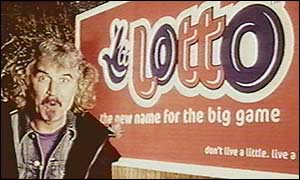 Camelot says people are tired of the main Lotto game The profits of the National Lottery operator Camelot should be used to make up falling donations to good causes, a committee of MPs has advised. Falling ticket sales as the public tires of the lottery has meant lower contributions to charities and voluntary groups. The influential Public Accounts Committee has now suggested in a report published on Friday the holder of the next licence "bear more of the risk".
The latest figures from the lottery operator show donations to good causes fell by �56m as the operator reported its worst six months of sales since the Lottery was launched in 1994. Edward Leigh, Tory chairman of the committee argued: "There should be some mechanism by which the operator will make no profit or a loss or go out of business if returns to good causes fall. "Bidders provide their own estimates of ticket sales as part of the bidding process, they should therefore bear the consequences should sales fall short." 'Shared responsibility' Camelot is also seeing its profits fall as good causes contributions and sales fall, with the latest six-month results showing the firm's profits after tax falling from �15.8m last year to �12.2m this year. A Camelot spokesman said: "The operator of the lottery does not run it in a vacuum and is subject to all sorts of variables. "It is more an issue of shared responsibility than models that transfer risk." The report also examines whether there could be a convincing rival for Camelot's licence when it runs out in January 2009. 'Suitable candidate' It says Camelot has an "inherent competitive advantage" as it will have run the lottery for 14 years by that date. The committee wants the National Lottery Commission to draw up contingency plans in the result of there being no "suitable candidate". Mr Leigh said: "I am concerned that there is a real likelihood that there will be no effective competition for future licences to run the lottery. "The decision this time was influenced by the risks in transferring to a new operator - the Lottery Commission must ensure that potential bidders are not deterred." The Lottery Commission says efforts are under way to increase competition but new legislation might be needed for some possible measures such as granting two separate licences - one to run the games and another the infrastructure. | |
See also:  29 Nov 02 | England 26 Nov 02 | England 07 Oct 02 | England 29 Sep 02 | Business 16 Sep 02 | UK Internet links: The BBC is not responsible for the content of external internet sites Top UK stories now: Links to more UK stories are at the foot of the page. | ||||||||||||||||||||||||||||||||||||||||||||||||||||||||||||||||||||||||||||||||||||||||||||||||||||||||||||||||||||||||||||||||||||||
| |
|  E-mail this story to a friend E-mail this story to a friend |
| |
| Links to more UK stories |
| | | ||
 | ||||
 | | Back to top
| ||
| ---------------------------------------------------------------------------------- To BBC Sport>> | To BBC Weather>> | To BBC World Service>> ---------------------------------------------------------------------------------- © MMIII | News Sources | Privacy |






