|
 |
 | | | | | | ||||||||||||||||||||||||||||||||||||||||||||||||||||||||||||||||||||||||||||||||||||||||||||||||
| | | You are in: UK | ||||||||||||||||||||||||||||||||||||||||||||||||||||||||||||||||||||||||||||||||||||||||||||||||||
|
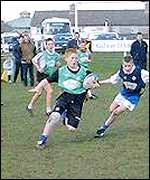
| | Thursday, 5 December, 2002, 10:13 GMT Risks of youth rugby  Youth rugby players come in all shapes and sizes
The death at the weekend of an 18-year-old school pupil during a rugby match is the sort of thing every parent or rugby coach dreads. Not surprisingly it has reopened the question of whether the sport is too dangerous. When I heard the news I felt the sadness of the parents and of the sport as a whole. On the day that schoolboy James Harding died from an injury received in a school rugby match my teenage son had also played rugby.
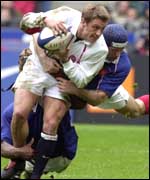
As a parent, a qualified youth coach and a player, I know that there are risks in playing and I am acutely aware of these every time I watch my son and his team go on to the pitch. Rugby is a contact sport in which tough tackles, the head-to-head contest of the scrum and the controlled aggression of rucks and mauls are a trademark of the game. If you play or allow your children to play the game you have to accept this, however much it still worries you. But you should not accept it blindly. Too dangerous? If you accept it, you do so because at the vast majority of schools and clubs in the country, safety is of paramount importance in coaching and refereeing games. In an article following the death of James Harding, The Daily Telegraph reported growing worries about injuries to young players and that some schools are phasing out rugby because of this. Despite the tragic cases which get into the news every now and then, rugby only accounts for two per cent of spinal injuries suffered in sports, according to the newspaper. And in six years as an RFU-qualified youth coach and captain of one of the adult teams at Harrow Rugby Club in north London, I have not come across serious or disabling injuries to boys or girls I have coached or against whom my teams have played. Muscular tears, cuts and bruises are quite common and there are occasional broken bones, but I've seen injuries just as bad on the football field and cricket field, and worse in horse-riding But to prepare children for the physical side of rugby, there is a gradual introduction to tackling and contact. The youngest age groups playing do not have contact and you gradually work up through touch rugby and tag rugby as they get older until you introduce tackling and contested scrums. Head, neck and spinal injuries The injuries you worry about as a parent, coach or player are the ones that can leave permanent disabilities or are potentially fatal. These are major blows to the head or neck and spinal injuries. On Sunday, I watched my 15-year-old, Tom, tackle a much larger opponent. He brought him to the ground but was then turned almost upside down and crushed into the ground neck and shoulders first as his own team quite legally drove over both the tackler and the tackled player to win the ball.
As this ruck ended, he was lying on the ground motionless and for a short time I feared a neck or a spinal injury. As a qualified first-aider, I was able to check him over thoroughly without moving him and establish that there was no tingling or loss of sensation and no sign of concussion. His discomfort was limited to soft tissue and muscle and he was able to answer questions clearly and accurately. He played no more part in the game and now has only a little discomfort from torn or overstretched back and shoulder muscles. I can only be thankful that his injuries were not more serious. The game was being refereed by a qualified coach and there were at least two first-aiders on the touchlines. Safety paramount All those involved in youth rugby have the importance of safety drummed into them from the start. When I attended coaching courses run by the official body in England, the Rugby Football Union, the top issue was always safety. To qualify as a coach, I had to be assessed. Again safety of players was top of the list. On the coaching page on its website, the RFU stresses three issues at the top of its list of things for coaches to remember:
These are all vital in ensuring that injuries are avoided. Players are divided into age groups to ensure that players are not matched against much more developed and stronger opponents - though even at Under-17 level, the difference in size and weight can be surprising.
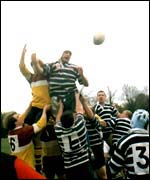
As a forwards coach, I want the boys in the Harrow Under-17 team to get in the correct positions, bind on properly and keep on their feet in scrums, line-outs, rucks and mauls. And we work on fitness. A fit player who knows the correct techniques and the laws is far less likely to get injured than someone who is unfit, unaware and inexperienced. Without totally changing the game, there will always be risk. The best way to protect those playing is to be aware of the risks and do everything to minimise them. This will reduce injuries and worse, but of course will never take away the huge regret that all in rugby feel when someone dies or suffers a serious injury. | | See also:  02 Dec 02 | England 25 Jun 02 | Celtic 10 May 01 | Northern Ireland Internet links: The BBC is not responsible for the content of external internet sites Top UK stories now: Links to more UK stories are at the foot of the page. | ||||||||||||||||||||||||||||||||||||||||||||||||||||||||||||||||||||||||||||||||||||||||||||||||
 | |
|  E-mail this story to a friend E-mail this story to a friend |
| |
| Links to more UK stories |
| | | ||
 | ||||
 | | Back to top
| ||
| ---------------------------------------------------------------------------------- To BBC Sport>> | To BBC Weather>> | To BBC World Service>> ---------------------------------------------------------------------------------- © MMIII | News Sources | Privacy |