|
 |
 | | | | | | |||||||||||||||||||||||||||||||||||||||||||||||||||||||||||||||||||||||||||||||||||||||||||||||
| | | You are in: UK | |||||||||||||||||||||||||||||||||||||||||||||||||||||||||||||||||||||||||||||||||||||||||||||||||
|
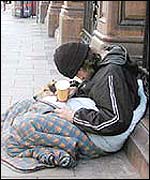
| | Thursday, 28 November, 2002, 00:09 GMT Child runaways face exploitation  More than 100,000 children run away each year
As measures to help vulnerable young runaways are unveiled, BBC News Online looks at why young people run away and the extent of the problem.  The teenager has not been seen since she left home to go to a fun fair in Victoria Park in Hackney, London, on 21 September.
But as the nights grow more bitterly cold and more than two months on from her disappearance, her mother is becoming increasingly concerned for her safety. Each year more than 100,000 children under 18 run away from home. A fifth of those are under the age of 11. One in nine young people run away for at least one night by the age of 16. A quarter of young people who run away end up sleeping rough. And one in 14 who flee their homes survive on the streets through stealing, begging, drug dealing or prostitution. Runaways under 16 are five times more likely to have problems with drugs and three times more likely to be in trouble with the police than their peers, according to the government's Social Exclusion Unit. Family problems Of those who run away 80% do so because of family problems. "For a child to run away there is something seriously going wrong in that young person's life. It is not just a whim to go to the bright lights of the big city," said Penny Dean, of the Children's Society.
Her charity, which has been working with young people since the 1980s, wants to see a national strategy which will see different agencies working more effectively together to help the most vulnerable runaways. "We want to ensure that young people don't fall through the net," she said. She wants to see more refuges specifically for young people. There is currently only one in central London. Prostitution fears Her concern is shared by Pam Hibbert, the charity Barnardo's principal officer. "Many of these young people ran away because they didn't know what else to do," she explained. The dangers of runaways becoming embroiled in prostitution is an issue she wants to see at the heart of any national strategy. "Adults who coerce and encourage young people into prostitution often focus on young people who are runaways because they are vulnerable", she said. And she is particularly concerned those children who run away from care are given the attention they deserve. She is concerned about "under-reporting" of children who go missing from care institutions and an insufficient focus on what happens to them if they are found safe and sound. "Often they have to go back to the place they ran away from without any headway being made into why they ran away in the first place," she said. Only by giving children the confidence to feel they can confide in someone confidentially and by educating people about why young people run away, can the problem begin to be tackled, she said. Love is black, 5ft 2ins, with black shoulder length plaited hair. When she was last seen she was wearing blue jeans, a black hooded top and black trainers. If you have any information about Love, please ring National Missing Persons Helpline 0500 700 700 | | See also:  31 Oct 01 | UK 26 Sep 01 | N Ireland 22 Mar 01 | UK Internet links: The BBC is not responsible for the content of external internet sites Top UK stories now: Links to more UK stories are at the foot of the page. | |||||||||||||||||||||||||||||||||||||||||||||||||||||||||||||||||||||||||||||||||||||||||||||||
 | |
|  E-mail this story to a friend E-mail this story to a friend |
| |
| Links to more UK stories |
| | | ||
 | ||||
 | | Back to top
| ||
| ---------------------------------------------------------------------------------- To BBC Sport>> | To BBC Weather>> | To BBC World Service>> ---------------------------------------------------------------------------------- © MMIII | News Sources | Privacy |






 For a child to run away there is something seriously going wrong in that young person's life