|
 |
 | | | | | | ||||||||||||||||||||||||||||||||||||||||||||||||||||||||||||||||||||||||||||||||||||||||||||||||||||||||||||||||||||||||||||||||||||||||||||||||||
| | | You are in: Technology | ||||||||||||||||||||||||||||||||||||||||||||||||||||||||||||||||||||||||||||||||||||||||||||||||||||||||||||||||||||||||||||||||||||||||||||||||||||
|
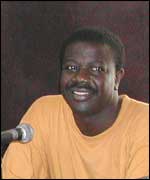
| | Wednesday, 30 October, 2002, 10:03 GMT Radio gives power to the people 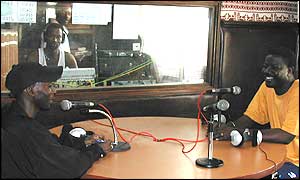 Phone-in shows have aired controversial issues New technologies enable all kinds of social change, but old technologies do too. Usually it is not the technology that is important, but what people do with it that makes the difference. A perfect example of this is Radio Oxyjeune, that broadcasts to a poor suburb of Senegal's capital Dakar. The community radio station has been active for a few years, but is not content to simply pump out music and chat to its audience. Instead, it wants to take a much more active role in the lives of its listeners. Local power It broadcasts programmes in both the national and local languages to reach as many people as possible. A staff of 50 people work at the station, only 20 of which have full-time jobs. The name of the station tries to capture some of its mission as it is a conjunction of the French words for "oxygen" and "youth". It also has phone-in shows that regularly tackle subjects many consider taboo, such as HIV/Aids and women's rights.
"We wanted to shock people and needed their testimony to make it come alive," he says, "but it would have been dangerous for them if they'd been identified." The efforts to educate do not stop with phone-ins on the radio. The station has also started up many community groups that talk to people about HIV/Aids. During holidays, these groups train people to go out to beaches, football stadia, nightclubs and other places people gather to spread the word about safe sex. In many parts of Sub-Saharan Africa it is still hard to talk openly about Aids and ways to stop people avoiding HIV. Political debate And it is not just over health matters that Radio Oxyjeune is being attacked. During recent elections, the station set held meetings to help locals put questions to the politicians standing for office. Not all of the candidates were happy to be confronted this way, says Mr Ndiaye. It received threats and some politicians tried to intimidate it and stifle its voice. But Radio Oxyjeune is going from strength to strength, partly thanks to a large anonymous donation, and is about to open up sister stations around the country. | |
See also:  10 Jul 02 | Country profiles 21 Jul 00 | Science/Nature 20 Aug 02 | Business 24 May 02 | Africa 27 Apr 01 | Africa 08 Feb 02 | Africa Internet links: The BBC is not responsible for the content of external internet sites Top Technology stories now: Links to more Technology stories are at the foot of the page. | ||||||||||||||||||||||||||||||||||||||||||||||||||||||||||||||||||||||||||||||||||||||||||||||||||||||||||||||||||||||||||||||||||||||||||||||||||
| |
|  E-mail this story to a friend E-mail this story to a friend |
| |
| Links to more Technology stories |
| | | ||
 | ||||
 | | Back to top
| ||
| ---------------------------------------------------------------------------------- To BBC Sport>> | To BBC Weather>> | To BBC World Service>> ---------------------------------------------------------------------------------- © MMIII | News Sources | Privacy |