|
 |
 | | | | | | ||||||||||||||||||||||||||||||||||||||||||||||||||||||||||||||||||||||||||||||||||||||||||||||||||||||||||||||||||||||||||||||||||||||||||||||||||||||||||||
| | | You are in: Technology | ||||||||||||||||||||||||||||||||||||||||||||||||||||||||||||||||||||||||||||||||||||||||||||||||||||||||||||||||||||||||||||||||||||||||||||||||||||||||||||||
|
| | Sunday, 6 October, 2002, 11:28 GMT 12:28 UK Wireless net strides Bangladesh 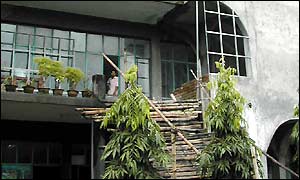 The university will house an online computer lab
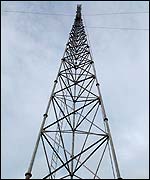
The only sign of any kind of technology is a tall radio mast on the roof of this leading agricultural college. But once the work is completed, the staff and students here will enjoy fast internet access via a wireless link to the capital, Dhaka, more than 100 kilometres away. The university is one in a group of institutions of higher education due to be hooked up to the net using wireless technology, in a project funded by the United Nations Development Programme, (UNDP). Age of information At the moment the university relies on a modem housed in a cupboard with wires trailing along the wall to connect to the internet over an unreliable phone line.
"Information is essential to Bangladesh in terms of business and science. This is the age of information." The network is intended to do more than just link up the universities in Bangladesh, allowing them to share information. The aim is to set up a national wireless network, with the universities acting as regional internet centres. The centres would provide low-cost net connections to hospitals, schools and non-profit groups in rural areas where going online is difficult. "At the moment they rely on a dial-up to Dhaka over an unreliable landline at a slow speed," said Dr Hakikur Rahman, the project co-ordinator in Bangladesh. "With a radio link we can offer speed of up to 64,000 bps using a series of transmitters that will bounce the signal across the country." Out of date? Creating a national wireless internet network comes at a price. The five-year project is receiving $1.4m from the UNDP, as well as additional funding from international donors such as the Department for International Development in the UK. It is part of the UNDP's Sustainable Development Network Programme, which is active in about 50 countries.
But the programme has had mixed success. In countries with no telecommunications infrastructure, like Bhutan, the scheme has worked well. UNDP officials in Bangladesh admit the project has faltered. "The idea is still valid but the technology has moved on," said the UNDP representative in Bangladesh, Jorgen Lissner. "It still has its place, though. The project was an early attempt to give academic institutions access to journals and other materials via the internet." "We do not pretend that this will cover the needs of the next generation, such as children in secondary and primary school," he admitted. "But you need a nucleus of people with an understanding of this tool. Eventually it will filter through to schools." Uncertain future Experts are concerned about who will pay for the running and upkeep of the national wireless network once the international funds have dried up. "There is an issue over whether the network can be self-sustainable," said Partha Pratim Sarker of the technology for development website Bytes For All. "There is a real need for such a network in Bangladesh. Technology is rapidly changing so we are always looking for cheaper technologies," he said. The backers of the project hope that the wireless network will eventually be able to pay for itself by offering internet access to rural communities. 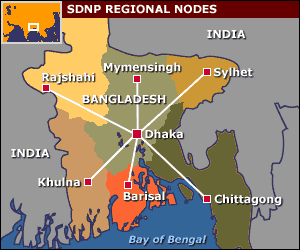 | |
See also:  30 Sep 02 | Technology 16 Jul 01 | Science/Nature 16 Aug 02 | Country profiles 13 Sep 02 | Wales 04 Oct 01 | Science/Nature 01 Oct 02 | Technology Internet links: The BBC is not responsible for the content of external internet sites Top Technology stories now: Links to more Technology stories are at the foot of the page. | ||||||||||||||||||||||||||||||||||||||||||||||||||||||||||||||||||||||||||||||||||||||||||||||||||||||||||||||||||||||||||||||||||||||||||||||||||||||||||||
| |
|  E-mail this story to a friend E-mail this story to a friend |
| |
| Links to more Technology stories |
| | | ||
 | ||||
 | | Back to top
| ||
| ---------------------------------------------------------------------------------- To BBC Sport>> | To BBC Weather>> | To BBC World Service>> ---------------------------------------------------------------------------------- © MMIII | News Sources | Privacy |