|
 |
 | | | | | | ||||||||||||||||||||||||||||||||||||||||||||||||||||||||||||||||||||||||||||||||||||||||||||||||||||||||||||||||||||||||||||||||||||||||||||||||||||||||||||||||||||||||||||||||||||||||||||||||||||||||||||||||
| | | You are in: South Asia | ||||||||||||||||||||||||||||||||||||||||||||||||||||||||||||||||||||||||||||||||||||||||||||||||||||||||||||||||||||||||||||||||||||||||||||||||||||||||||||||||||||||||||||||||||||||||||||||||||||||||||||||||||
|
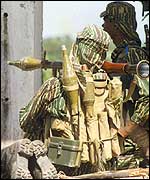
| | Wednesday, 8 January, 2003, 16:17 GMT Sri Lanka rebels pledge non-violence  Balasingham wants peace - but the Black Tigers will stay The Tamil Tiger rebel group in Sri Lanka says there is no longer a need for it to resort to armed violence. Chief rebel negotiator, Anton Balasingham, told the BBC during peace talks in Thailand that remarkable progress had been made. He explained that the military units of the Tigers were now observing a ceasefire and were non-operational. Hower, Mr Balasingham said the Tigers' suicide squad - the Black Tigers - was still an important bargaining chip to pressure the government during negotiations. He rejected calls by President Kumaratunga to disband the squads. Politics first But he added: "We have to keep them and pressurise the government to bring about a settlement that would satisfy the aspirations of our people."
He also said he felt the single biggest hurdle to the peace process was the attitude of President Kumaratunga. He said the government of co-habitation where the president and prime minister both share power is causing inconsistency, with the president making statements against the peace initiative of the prime minister. Custodian Earlier, it was agreed that the World Bank would manage millions of dollars of redevelopment cash for the Sri Lankan Government and Tamil Tiger rebels.
A custodian is crucial because donors are reluctant to give money directly to the rebels and the rebels do not want the government to control the fund. A formal announcement that the World Bank has been asked to manage the fund is expected on Thursday. Protests As the talks continued, more than 10,000 supporters of the Sinhala nationalist JVP staged a rally in the Sri Lankan capital Colombo claiming too many concessions had been made to the rebels. The former rebel party warned that the Norwegian-brokered peace bid could lead to a divided country. The JVP - who are also the third largest party in the parliament - say such concessions will strengthen the Tamil Tigers and allow them to break the ceasefire. Protesters were also unhappy that financial matters were discussed - despite the rebels' decision to pull out of decommissioning talks in Thailand. | |
See also:  07 Jan 03 | South Asia 06 Jan 03 | South Asia 01 Jan 03 | South Asia 30 Dec 02 | South Asia Internet links: The BBC is not responsible for the content of external internet sites Top South Asia stories now: Links to more South Asia stories are at the foot of the page. | ||||||||||||||||||||||||||||||||||||||||||||||||||||||||||||||||||||||||||||||||||||||||||||||||||||||||||||||||||||||||||||||||||||||||||||||||||||||||||||||||||||||||||||||||||||||||||||||||||||||||||||||||
 | |
|  E-mail this story to a friend E-mail this story to a friend |
| |
| Links to more South Asia stories |
| | | ||
 | ||||
 | | Back to top
| ||
| ---------------------------------------------------------------------------------- To BBC Sport>> | To BBC Weather>> | To BBC World Service>> ---------------------------------------------------------------------------------- © MMIII | News Sources | Privacy |