|
 |
 | | | | | | ||||||||||||||||||||||||||||||||||||||||||||||||||||||||||||||||||||||||||||||||||||||||||||||||||||||||||||||||||||||||||||||||||||||||||||||||||||||||||||||||||||||||||||||||||||||||||||||||||||||||
| | | You are in: South Asia | ||||||||||||||||||||||||||||||||||||||||||||||||||||||||||||||||||||||||||||||||||||||||||||||||||||||||||||||||||||||||||||||||||||||||||||||||||||||||||||||||||||||||||||||||||||||||||||||||||||||||||
|
| | Tuesday, 10 December, 2002, 13:38 GMT Bangladesh police in fresh raids 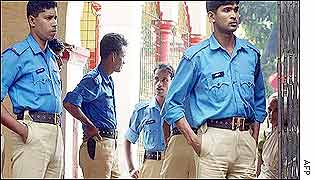 Security forces are seen to be taking a hard line
Police in Bangladesh have raided the home of the head of a body representing most of the country's non-governmental organisations. The chairman of the Association of Development Agencies (Adab) in Bangladesh, Qazi Faruque Ahmed, was not home at the time. The police raid at Mr Ahmed's home comes just a day after 25 leading NGOs resigned from the association, accusing the present ADAB leadership of supporting the opposition.
Mr Ahmed's own aid agency, Proshika, is among several NGOs which are now facing investigation from the authorities for their role in last year's general elections. Targeting claims Before the polls, some aid agencies urged the rural Bangladeshis not to vote for religious fundamentalists. The ruling coalition includes two Islamic parties and argues the advice was targeting them but the NGOs have denied targeting any particular political group. The earlier resignation of members from the aid agencies reflected the rift between NGO leaders over their alleged involvement in politics. The police raid at Mr Ahmed's home follows the arrest of several opposition political leaders and intellectuals known to be sympathiser of the Awami League party. The crackdown on cultural and NGO leaders as well as political opponents reflects the government's growing nervousness in dealing with international concerns that the country is a safe haven for the Taleban and al-Qaeda network. Arrests Firstly, the government arrested two European journalists working for the British Channel 4 television network, who the authorities allege wanted to portray Bangladesh as a 'breeding ground' of emerging Islamic radicals.
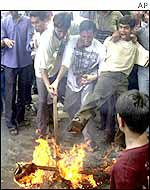
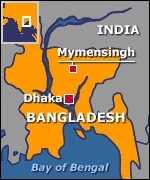
Just after the Mymensingh serial explosions, which left 18 people dead this weekend, police arrested nearly 50 opposition leaders or their supporters. Although the government admits they are not linked with the bombings, ministers have repeatedly stressed that anyone who damages Bangladesh's international reputation is liable to arrest and imprisonment. A statement by the ruling BNP's secretary general and senior minister, Abdul Mannan Bhuiyan, said the bomb attacks were not isolated incidents and were part of a conspiracy to tarnish the image of Bangladesh and the present government. However, the main opposition Awami League accuses the government of taking advantage of the situation to suppress any opposition voices. But political observers say that before blaming the opposition for everything, the government should make greater efforts to portray Bangladesh as a moderate Muslim country. | |
See also:  09 Dec 02 | South Asia 16 Oct 02 | South Asia 24 Oct 02 | South Asia 29 Sep 02 | South Asia 29 Sep 02 | South Asia 01 Nov 02 | Country profiles Internet links: The BBC is not responsible for the content of external internet sites Top South Asia stories now: Links to more South Asia stories are at the foot of the page. | ||||||||||||||||||||||||||||||||||||||||||||||||||||||||||||||||||||||||||||||||||||||||||||||||||||||||||||||||||||||||||||||||||||||||||||||||||||||||||||||||||||||||||||||||||||||||||||||||||||||||
| |
|  E-mail this story to a friend E-mail this story to a friend |
| |
| Links to more South Asia stories |
| | | ||
 | ||||
 | | Back to top
| ||
| ---------------------------------------------------------------------------------- To BBC Sport>> | To BBC Weather>> | To BBC World Service>> ---------------------------------------------------------------------------------- © MMIII | News Sources | Privacy |