|
 |
 | | | | | | |||||||||||||||||||||||||||||||||||||||||||||||||||||||||||||||||||||||||||||||||||||||||||||||||||||||||||||||||||||||||||||||||||||||||||||||||||||||||||||||||||||||||
| | | You are in: South Asia | |||||||||||||||||||||||||||||||||||||||||||||||||||||||||||||||||||||||||||||||||||||||||||||||||||||||||||||||||||||||||||||||||||||||||||||||||||||||||||||||||||||||||||
|
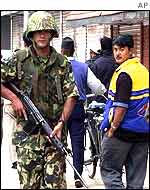
| | Sunday, 17 November, 2002, 14:15 GMT Nepal peace talks 'close' 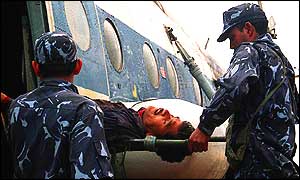 The war has claimed more than 7,000 lives Nepal's Government has said formal talks with Maoist rebels could be held "very soon". The Minister for Social Welfare, Gore Bahadur Khapangi, said the government was making serious efforts to contact the rebels. Mr Khapangi's remarks came two days after the rebels launched two separate heavy attacks in western Nepal in which up to 200 people are reported to have been killed. But the minister said recent rebel attacks would not affect the government's determination to hold talks with the rebels. Major rebel attack On Thursday, hundreds of rebels with sophisticated arms and artillery launched an attack in the north-western mountain district of Jumla.
Another attack was carried out in Gorkha district the same night. Officials said the rebels had destroyed almost all the government offices at Khalanga, district headquarters of Jumla. The bodies of at least 55 rebels have been recovered from the area. Officials said the rebels took dozens of their dead or injured comrades away with them. Rebel demands The attacks occurred a month after King Gyanendra assumed full executive powers and appointed Lokendra Bahadur Chand as prime minister.
The new government has vowed to give top priority to peacefully resolve the long-running Maoist insurgency. The Maoist leader, Prachanda, had recently warned that his group would continue its offensive if the government did not agree to its demands for holding elections for a constituent assembly to draft a new constitution. Nepal's Deputy Prime Minister, Badri Prasad Mandal, said the government was working with human rights groups to establish contact with the Maoists. "It is the Maoists who need to respond positively. Violence will not get them anywhere," Mr Mandal told journalists. The army says more than 7,000 people have died in the six-year insurgency, most of them since King Gyanendra imposed a state of emergency last November. | |
Internet links:  The BBC is not responsible for the content of external internet sites Top South Asia stories now: Links to more South Asia stories are at the foot of the page. | |||||||||||||||||||||||||||||||||||||||||||||||||||||||||||||||||||||||||||||||||||||||||||||||||||||||||||||||||||||||||||||||||||||||||||||||||||||||||||||||||||||||||
| |
|  E-mail this story to a friend E-mail this story to a friend |
| |
| Links to more South Asia stories |
| | | ||
 | ||||
 | | Back to top
| ||
| ---------------------------------------------------------------------------------- To BBC Sport>> | To BBC Weather>> | To BBC World Service>> ---------------------------------------------------------------------------------- © MMIII | News Sources | Privacy |