|
 |
 | | | | | | ||||||||||||||||||||||||||||||||||||||||||||||||||||||||||||||||||||||||||||||||||||||||||||||||||||||||||||||||||||||||||||||||||||||||||||||||||||||||||||||||||||||||||||||||||||
| | | You are in: South Asia | ||||||||||||||||||||||||||||||||||||||||||||||||||||||||||||||||||||||||||||||||||||||||||||||||||||||||||||||||||||||||||||||||||||||||||||||||||||||||||||||||||||||||||||||||||||||
|
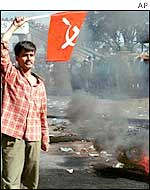
| | Tuesday, 12 November, 2002, 13:39 GMT Nepal's political deadlock  The Maoists threaten both the king and politicians
The king insists he was forced to act to untangle a constitutional deadlock that developed when the last prime minister asked for elections to be postponed. A confrontation between king and politicians could prove ominous for both, especially when a long-running Maoist rebellion has been pushing for a communist republic. Tackling the insurgency and holding elections at the earliest possible date are the two key tasks facing the new government. Both will need crucial support from the mainstream political parties. Mutual distrust Under normal circumstances, Nepalese voters would have been electing a new parliament on Wednesday - the fourth in little over a decade.
The king then sacked Mr Deuba for being incompetent, assumed full executive powers and swore in a new cabinet made up of politicians chosen by him. This was in defiance of Nepal's main political parties who wanted their nominees to be included in the new cabinet. The new Prime Minister, LB Chand, finds himself under immediate pressure to counter the rebellion and hold elections. With mutual distrust between the king and the political parties running deep, the support he badly needs has so far proved elusive. King's role King Gyanendra has repeated his commitment to both constitutional monarchy and multi-party democracy.
But the political parties suspect the king's motives, and say he has exceeded the constitutional limits of a ceremonial head of state. The monarch, for his part, blames the parties for the mess the country finds itself in, with its political instability, security problems and battered economy. He insists on what he says is the monarch's traditional role in correcting such an unhappy situation. Common threat The politicians are, however, haunted by the spectre of a return of the executive monarchy which Nepal witnessed for 30 years until a pro-democracy movement ended it in 1990. They insist that the king must take them into confidence before they can co-operate with him. Amid a crisis of trust, there have been calls for a consensus and mutual understanding - which both the king and the politicians need if they are to overcome the common threat posed by the Maoists. The continuation of the tussle between the two could only benefit the rebels, who want to get rid of both the monarchy and Nepal's parliamentary democracy. There are, however, no signs yet of reconciliation. | |
Internet links:  The BBC is not responsible for the content of external internet sites Top South Asia stories now: Links to more South Asia stories are at the foot of the page. | ||||||||||||||||||||||||||||||||||||||||||||||||||||||||||||||||||||||||||||||||||||||||||||||||||||||||||||||||||||||||||||||||||||||||||||||||||||||||||||||||||||||||||||||||||||
| |
|  E-mail this story to a friend E-mail this story to a friend |
| |
| Links to more South Asia stories |
| | | ||
 | ||||
 | | Back to top
| ||
| ---------------------------------------------------------------------------------- To BBC Sport>> | To BBC Weather>> | To BBC World Service>> ---------------------------------------------------------------------------------- © MMIII | News Sources | Privacy |