|
 |
 | | | | | | ||||||||||||||||||||||||||||||||||||||||||||||||||||||||||||||||||||||||||||||||||||||||||||||||||||||||||||||||||||||||||||||||||||||||||||||||||||||||||||||||||||||||||||||||||||||||||||
| | | You are in: South Asia | ||||||||||||||||||||||||||||||||||||||||||||||||||||||||||||||||||||||||||||||||||||||||||||||||||||||||||||||||||||||||||||||||||||||||||||||||||||||||||||||||||||||||||||||||||||||||||||||
|
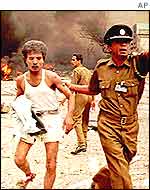
| | Wednesday, 11 September, 2002, 12:08 GMT 13:08 UK Sri Lanka's 'symbolic' talks 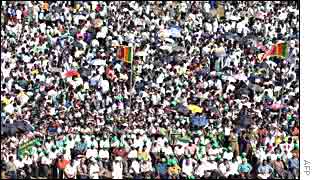 Huge crowds gather in Colombo to support peace talks
The Sri Lankan Government and Tamil Tiger rebels are to sit at the negotiating table for the first time in seven years in Thailand between 16-18 September.
Even the agenda looks unclear at this point, with controversy raging in the south of Sri Lanka over whether the establishment of an interim administration for the north and the east should come before a final political settlement. What many suspect is that the talks in Thailand are the formal unveiling of decisions that have already been discussed in secret - a ceremonial meeting to reassure public opinion in Sri Lanka and the international community that progress is being made. 'Semi-official' talks Recent months have seen Sri Lankan Government officials involved in the peace process shuttling back and forth to rebel territory or to London where the Tigers' chief negotiator Anton Balasingham lives. "The personal contact that's taking place, these semi-official talks" are "tremendously important because this is about relationship building", says Jehan Perera of the National Peace Council.
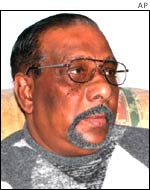
Puleethevan was air-lifted to Colombo for emergency kidney treatment by the military in a sign of growing goodwill between the two former enemies and a meeting took place in the hospital. Mr Fernando had earlier met officials from the Tamil Tiger rehabilitation organisation at his home in Colombo - and had been surprised to find himself eating snacks with people whom he couldn't have dreamed of associating with last year. "I believe real problems are being thrashed out that way," says Jehan Perera, "so much so that the talks to take place in Thailand are really more for symbolic purposes, for cosmetic purposes than about substantive issues." 'Power transfer' Naturally this is something the two sides deny. Speaking to the BBC, the head of the Tamil Tigers' political wing, Thamilselvan, said the talks in Thailand would definitely be the decisive ones.
But the exchange of rhetoric between the government and the rebels has become so polite, with each side praising the other in public, that it seems much of the mutual suspicion has already been overcome before they even sit at the negotiating table. "In these semi-formal or informal talks much of the ideas pertaining to an interim administration for the north and east have already been decided," says Jehan Perera. Strategic advantage Some would argue the Tigers are already in the process of seizing power - exerting their influence increasingly in government-controlled territory in the north and east of the island.
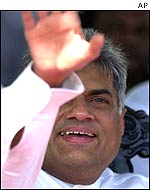
The Tigers have been taxing local businessmen, issuing edicts on social behaviour and defending Tamil cultural values. They have quickly become the power behind the scenes in towns like Jaffna despite the presence of 40,000 soldiers on the peninsula. They have been able to take over so fast because of staunch supporters among the civilian population who act on their behalf. It also means the rebels have a huge strategic advantage if the two sides ever go back to war. Faith Has Sri Lanka reached the point of no return? Prime Minister Ranil Wickramasinghe says the Tamil Tigers have been able to adapt themselves from a guerrilla organisation dedicated to terror into a political organisation in recent months. "This shows they are also serious about peace," he adds. Meanwhile, Mr Thamilselvan, the head of the Tigers' political wing, has been praising "the courage and strength of will" of the prime minister and saying he's hopeful this time round because there are "very graphic differences unlike previous experiences of peace talks". These are men who do not choose their words lightly. It looks as if they have faith in the process they have started. 'Best chance in years' There has been much concern about opposition to the peace process from the President, Chandrika Kumaratunga. She says she backs the peace talks, but opposes particular steps the government would like to take. Sri Lanka has a history of failed peace initiatives sunk by the parliamentary opposition of the day. The government of cohabitation with a president and prime minister from rival parties is showing real strains and the president does have the power to impede or delay government plans. But it is debatable at this point whether the president and other opponents of the peace process have the sufficient numbers behind them to scupper the process. The prime minister and the Tamil Tiger leadership both talk of the will of the people being on their side and there's some truth to this. Sri Lankans are fed up with a war that's killed more than 60,000 and that neither side can win. They are not going to let go easily of the best chance in years of ending the conflict, even if they may still be divided over exactly how to resolve it. | |
See also:  05 Sep 02 | South Asia 06 Sep 02 | South Asia 05 Sep 02 | Business 03 Sep 02 | South Asia 01 Sep 02 | South Asia 30 Aug 02 | South Asia 07 Aug 02 | Crossing Continents Internet links: The BBC is not responsible for the content of external internet sites Top South Asia stories now: Links to more South Asia stories are at the foot of the page. | ||||||||||||||||||||||||||||||||||||||||||||||||||||||||||||||||||||||||||||||||||||||||||||||||||||||||||||||||||||||||||||||||||||||||||||||||||||||||||||||||||||||||||||||||||||||||||||
| |
|  E-mail this story to a friend E-mail this story to a friend |
| |
| Links to more South Asia stories |
| | | ||
 | ||||
 | | Back to top
| ||
| ---------------------------------------------------------------------------------- To BBC Sport>> | To BBC Weather>> | To BBC World Service>> ---------------------------------------------------------------------------------- © MMIII | News Sources | Privacy |