|
 |
 | | | | | | |||||||||||||||||||||||||||||||||||||||||||||||||||||||||||||||||||||||||||||||||||||||||||||||||||||||||||||||||||||||||||||||||||||||||||||||||||||||||||||||||||||||||||||||||||
| | | You are in: South Asia | |||||||||||||||||||||||||||||||||||||||||||||||||||||||||||||||||||||||||||||||||||||||||||||||||||||||||||||||||||||||||||||||||||||||||||||||||||||||||||||||||||||||||||||||||||||
|
| | Friday, 7 June, 2002, 11:59 GMT 12:59 UK Colombo moves to lift Tiger ban Both sides are keen to take the peace process forward The Sri Lankan government has begun legal proceedings aimed at lifting a ban on the rebel Liberation Tigers of Tamil Eelam (LTTE) before crucial peace talks are held.
The talks are a crucial part of a peace process mediated by Norway which led to the two sides signing a permanent truce in February, ending nearly 20 years of war in which over 60,000 people are thought to have been killed. The Tigers maintain that the ban, imposed in 1998, is the biggest obstacle to the talks, and have demanded that it be lifted before LTTE leaders sit down with their Colombo counterparts. Sri Lanka's Constitutional Affairs Minister GL Peiris confirmed that the government has begun the legal process to do this. Peace moves "The ban will be lifted about 10 days before the talks begin in Thailand," Mr Peiris said.
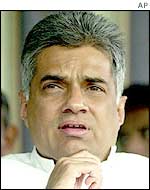
The Tigers have spearheaded a separatist movement campaigning for a Tamil homeland in northern and eastern Sri Lanka since an insurrection broke out in 1983. Years of violent military conflict interspersed with fitful and eventually fruitless negotiations gave way to hope when Prime Minister Ranil Wickramasinghe took office after elections in 2001. Mr Wickramasinghe had campaigned on a peace platform but the opposition alliance led by President Chandrika Kumaratunga had questioned the largely unconditional nature of the prime minister's offer. Despite this opposition, the new government took advantage of Norwegian mediation and secured a permanent ceasefire and began transforming the war-ravaged provinces into a post-war environment. Meeting demands With the international community supporting the move, Mr Wickramasinghe has been able to secure the endorsement of the president, and the Sinhala-nationalist Buddhist clergy.
The Norwegian-led Sri Lankan Monitoring Mission which oversees the implementation of the truce has recently confirmed that despite occasional complaints of breaches, the ceasefire has very largely held. A crucial element of the peace process, direct talks in Thailand, would require the lifting of the ban currently in force against the Tigers. Determined to carry the peace process forward, Colombo is now moving toward meeting this long-standing rebel demand. Indian role Having consolidated support at home, the prime minister has sought to do the same abroad as well.
This is important as the Tigers receive much of their funds, munitions and political support from Tamil communities abroad. Mr Wickramasinghe's trip to Europe in May proved successful. Foreign donors have now announced an initial grant of $150 million for rebuilding the war-damaged north-east of the country. Conscious of the key role Delhi has played, first by supporting and arming the Tigers, and then by deploying military forces against them, Mr Wickramasinghe is seeking India's endorsement of the peace process. He will travel to Delhi on a five-day visit on Saturday, meeting Indian leaders including Prime Minister Atal Behari Vajpayee. | |
See also:  04 Jun 02 | South Asia 30 May 02 | South Asia 27 May 02 | South Asia 23 May 02 | South Asia 07 Mar 02 | Country profiles 18 Mar 02 | South Asia Internet links: The BBC is not responsible for the content of external internet sites Top South Asia stories now: Links to more South Asia stories are at the foot of the page. | |||||||||||||||||||||||||||||||||||||||||||||||||||||||||||||||||||||||||||||||||||||||||||||||||||||||||||||||||||||||||||||||||||||||||||||||||||||||||||||||||||||||||||||||||||
| |
|  E-mail this story to a friend E-mail this story to a friend |
| |
| Links to more South Asia stories |
| | | ||
 | ||||
 | | Back to top
| ||
| ---------------------------------------------------------------------------------- To BBC Sport>> | To BBC Weather>> | To BBC World Service>> ---------------------------------------------------------------------------------- © MMIII | News Sources | Privacy |