|
 |
 | | | | | | |||||||||||||||||||||||||||||||||||||||||||||||||||||||||||||||||||||||||||||||||||||||||||||||||||||||||||||||||||||||||||||||||||||||||||||||||||||||||||||||||||||||||||||||||
| | | You are in: Science/Nature | |||||||||||||||||||||||||||||||||||||||||||||||||||||||||||||||||||||||||||||||||||||||||||||||||||||||||||||||||||||||||||||||||||||||||||||||||||||||||||||||||||||||||||||||||||
|
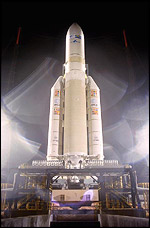
| | Tuesday, 14 January, 2003, 20:01 GMT Rosetta comet chaser on hold  The Rosetta mission will now have to be redesigned The �600m European space mission to land on a comet has been postponed for the foreseeable future.
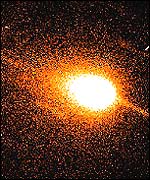
There has been concern over the mission following the explosion of a rocket at the probe's launch site in French Guiana last month. It is understood the review of systems ordered at the spaceport following the vehicle failure will not now be completed in time to allow Rosetta to catch up with Comet Wirtanen. The mission will have to be redesigned as a result. Review board The news will come as a major blow to the scores of scientists and engineers who have been working on Rosetta for more than 10 years. The lead researcher on the project, Dr Gerhard Schwehm, told BBC News Online: "It's a decision we have to live with because there are good arguments to delay the launch. What we have to do right now is study back-up options and come up with a viable scenario."
Such was the complexity of the mission, it would have taken until 2011 for Rosetta to reach its target. The one-billion-euro probe should have flown at the weekend but was put on hold because of ongoing investigations into the failure of Europe's new super rocket, the Ariane 5-ECA, at the Kourou spaceport on 11 December.
"This is not something you can rush; it has to be done step by step," a spokesman for Arianespace told BBC News Online. "From February, we will have a new launch schedule." Extra cost But this will be too late for Rosetta, which must get off the ground no later than 31 January.
This involves swinging past Mars once and Earth twice to build up the speed required to catch the comet near Jupiter. If Rosetta loses its launch window, it misses its target. Esa will not abandon Rosetta - it has spent too much on the project to just throw it away. Project scientists have already begun looking at alternative targets but this will mean a redesign of the mission, which is likely to add millions more to the total cost, and a delay of perhaps a year. One of the principal researchers, Dr Ian Wright from the UK's Open University, said: "We want Esa and the rocket launcher people to be absolutely certain that this is going to be successful. So, yes it's disappointing, but we need to wait and make sure that this is safe. "The project's been in the making 10 years already, so I guess what difference will another few months make." | |
Internet links:  The BBC is not responsible for the content of external internet sites Top Science/Nature stories now: Links to more Science/Nature stories are at the foot of the page. | |||||||||||||||||||||||||||||||||||||||||||||||||||||||||||||||||||||||||||||||||||||||||||||||||||||||||||||||||||||||||||||||||||||||||||||||||||||||||||||||||||||||||||||||||
|  |
|  E-mail this story to a friend E-mail this story to a friend |
 | |
| Links to more Science/Nature stories |
| | | ||
 | ||||
 | | Back to top
| ||
| ---------------------------------------------------------------------------------- To BBC Sport>> | To BBC Weather>> | To BBC World Service>> ---------------------------------------------------------------------------------- © MMIII | News Sources | Privacy |




 What we have to do right now is study back-up options