
|
 |
 | | | | | | ||||||||||||||||||||||||||||||||||||||||||||||||||||||||||||||||||||||||||||||||||||||||||||||||||||||||||||||||||||||||||||||||||||||
| | | You are in: Science/Nature | ||||||||||||||||||||||||||||||||||||||||||||||||||||||||||||||||||||||||||||||||||||||||||||||||||||||||||||||||||||||||||||||||||||||||
|
| | Monday, 14 October, 2002, 01:17 GMT 02:17 UK Mistaken identity killing water voles 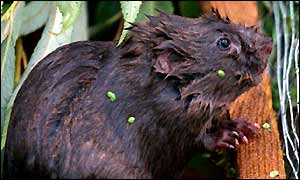 Water voles are disappearing in the UK UK environmental groups say they are concerned about the number of water voles being killed because people think they are rats. The numbers of voles are declining in Britain faster than any other mammal. The Wildlife Trusts across the country have recorded many cases of accidental poisoning and in one instance the extermination of an entire group of water voles.
Water voles have disappeared from almost 90% of the sites they used to occupy in the UK in the last 60 years owing to loss of their riverbank homes and being preyed upon by the non-native American mink. The discovery of a significant number of deaths through mistaken identity will have serious implications for an already vulnerable and declining mammal, according to the trusts. Director general of The Wildlife Trusts Dr Simon Lyster said: "The Wildlife Trusts are working tirelessly to restore water vole homes along riverbanks and to combat the serious issue of indiscriminate poisoning. Legal protection "The key to overcoming the problem is to build awareness of the characteristics of a water vole and for people to take an active part in reporting any water vole discoveries to The Wildlife Trusts." The initiative is one of several projects to help the recovery of the creature. It will provide identification guidelines for the general public, while providing technical information on identification to pest control professionals and developers. The Wildlife Trusts along with other conservation groups are also pushing for full legal protection for the water vole under the Wildlife and Countryside Act 1981. Pink tails It is expected that the government may make an announcement during the autumn on whether in future, water voles will be legally protected against persecution. Water voles and rats have clear characteristics. The vole has small hidden ears, silky mid-brown fur, a blunt nose and a shorter furry tail, whereas the brown rat has big ears, grey brown fur, a pointed nose and a long, pink and scaly hairless tail. Water voles feed on vegetation, while rats are opportunistic feeders and will eat a variety of foods. Members of the public are being urged to inform their local Wildlife Trust when they spot a water vole. | | See also:  19 Aug 02 | England 21 Jul 02 | Breakfast 18 Jul 02 | England 29 Apr 02 | England 26 Nov 01 | Science/Nature Internet links: The BBC is not responsible for the content of external internet sites Top Science/Nature stories now: Links to more Science/Nature stories are at the foot of the page. | ||||||||||||||||||||||||||||||||||||||||||||||||||||||||||||||||||||||||||||||||||||||||||||||||||||||||||||||||||||||||||||||||||||||
| |
|  E-mail this story to a friend E-mail this story to a friend |
| |
| Links to more Science/Nature stories |
| | | ||
 | ||||
 | | Back to top
| ||
| ---------------------------------------------------------------------------------- To BBC Sport>> | To BBC Weather>> | To BBC World Service>> ---------------------------------------------------------------------------------- © MMIII | News Sources | Privacy |



