|
 |
 | | | | | | ||||||||||||||||||||||||||||||||||||||||||||||||||||||||||||||||||||||||||||||||||||||||||||||||||||||||||||||||||||||||||||||||||||||||||||||||||||||||||||||||
| | | You are in: Science/Nature | ||||||||||||||||||||||||||||||||||||||||||||||||||||||||||||||||||||||||||||||||||||||||||||||||||||||||||||||||||||||||||||||||||||||||||||||||||||||||||||||||||
|
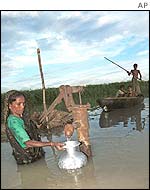
| | Wednesday, 2 October, 2002, 23:16 GMT 00:16 UK UN maps most polluted coasts  Millions are at high risk of sewage-related diseases
Elsewhere, the coasts of west and central Africa are very badly polluted. The sewage is a threat to humans, marine wildlife and habitats, and fisheries. A report on the global threat from untreated sewage discharges to coastal people and the environment has been prepared by the UN Environment Programme (Unep) as a follow-up to the World Summit on Sustainable Development (WSSD), which ended in South Africa in September. One of the summit's most important decisions was its agreement that by 2015 the number of people in the world without access to basic sanitation should be halved. Great scale Almost 40% of the world's population lives within 60 kilometres (38 miles) of the coast. In southern Asia, Unep says, 825 million people lack sanitation, putting them at high risk of sewage-related diseases and even death. There are 515 million more in eastern Asia, and 414 million in the north-west Pacific. West and central Africa have 107 million people at risk. There has been impressive progress in providing sanitation in many of the worst-affected areas. In southern Asia, between 1990 and 2000, 220 million people benefited from improved access. But in the same period, the population grew by 222 million, wiping out the gains that had been made. In east Africa, the number of people without sanitation in fact doubled over the last decade to 19 million. Low-tech answers Dr Klaus Toepfer, Unep's executive director, said: "Lack of adequate sanitation has been emerging as one of the biggest threats to human health. "It is estimated that the global economic burden attributable to ill-health, disease and death related to the pollution of coastal waters is running at $16bn a year.
In some cases, the Unep report says, wastewater treatment systems modelled on those in Europe and the US may be needed. But there are many low-cost techniques which could make huge improvements. These include dry sanitation and natural sewage filtering systems like ponds, reed beds and mangrove swamps, and re-using and refilling groundwater reservoirs. Higher cost Cees Van de Guchte works for Unep's global programme of action for the protection of the marine environment from land-based activities (GPA). He said: "This can give the environment a double benefit. "Many mangrove swamps and reed beds, important habitats for wildlife such as birds and fish, are being cleared and drained for agriculture and other activities. "If more people are aware of their potential as 'natural' wastewater treatment systems, then more will be conserved for their economic and health benefits, as well as for their importance for nature and wildlife." Mr Van de Guchte said some experts estimated the cost of providing safe drinking water and proper sanitation to everyone in the world by 2025 at $180bn a year, two to three times more than present investments in the water sector. He said: "It may seem high. But the benefits in terms of disease reduction and dramatic environmental improvements to the coastal and marine environment are also high." | |
See also:  12 Aug 02 | Science/Nature 22 Mar 02 | Science/Nature 02 Jun 00 | Science/Nature Top Science/Nature stories now: Links to more Science/Nature stories are at the foot of the page. | ||||||||||||||||||||||||||||||||||||||||||||||||||||||||||||||||||||||||||||||||||||||||||||||||||||||||||||||||||||||||||||||||||||||||||||||||||||||||||||||||
| |
|  E-mail this story to a friend E-mail this story to a friend |
| |
| Links to more Science/Nature stories |
| | | ||
 | ||||
 | | Back to top
| ||
| ---------------------------------------------------------------------------------- To BBC Sport>> | To BBC Weather>> | To BBC World Service>> ---------------------------------------------------------------------------------- © MMIII | News Sources | Privacy |