|
 |
 | | | | | | |||||||||||||||||||||||||||||||||||||||||||||||||||||||||||||||||||||||||||||||||||||||||||||||||||||||||||||||||||||||||||||||||||||||||||||||||||
| | | You are in: Science/Nature | |||||||||||||||||||||||||||||||||||||||||||||||||||||||||||||||||||||||||||||||||||||||||||||||||||||||||||||||||||||||||||||||||||||||||||||||||||||
|
| | Monday, 15 July, 2002, 15:09 GMT 16:09 UK 'Poor prospects' for Earth Summit 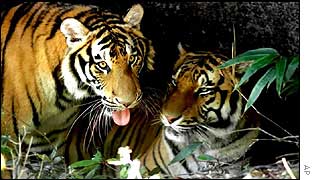 One mammal species in four is at high risk of extinction
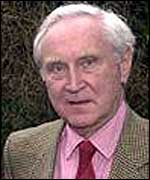
He is Sir Crispin Tickell, former UK ambassador to the United Nations.
Little, he says, will change "unless and until we think differently". Sir Crispin is now director of the Green College Centre for Environmental Policy and Understanding at the University of Oxford. Speaking to the Society for Conservation Biology, he said the summit's agenda, sustainable development, meant "treating the Earth as if we intended to stay". Affecting evolution He said humans were changing the Earth in several ways: by increasing their numbers, through the loss of land quality and the build-up of wastes, by changing atmospheric chemistry, and by continuing to destroy other living species.
"The future course of evolution will be substantially changed by current human activity. "Bacteria and viruses learn how to react to almost any drug we may throw at them. Humans take 20 years to reproduce. Bacteria do the job in 20 minutes.
Sir Crispin said an occasional visitor from space would find more change in the Earth's surface in the last 200 years than in the preceding 2,000, and more in the last 20 years than in the preceding 200. The need to conserve biodiversity, the Earth's wealth of life, was hard to get across to people. There was an ethical reason to do so, but we seldom realised our vocation to be stewards of the Earth. Sir Crispin quoted the judgement of Professor James Lovelock, that "humans are as qualified to be stewards as goats are to be gardeners". Stuck in a rut There were strong economic arguments for conservation, from the range of drugs derived from plants to the need to cherish genetic diversity. Ecologically, we relied on forests and vegetation to produce soil, regulate water supplies and recycle waste.
He said: "For change we need three factors: leadership from above, pressure from below, or some exemplary catastrophe. "Do we know where we are going? Not yet: the juggernaut of conventional wisdom rolls on. "Can we cope with the problems raised by the unstable and unsustainable society we have created for ourselves? My answer is also: not yet." | | See also:  24 Jun 02 | Science/Nature 07 Jun 02 | Science/Nature 22 May 02 | Science/Nature Internet links: The BBC is not responsible for the content of external internet sites Top Science/Nature stories now: Links to more Science/Nature stories are at the foot of the page. | |||||||||||||||||||||||||||||||||||||||||||||||||||||||||||||||||||||||||||||||||||||||||||||||||||||||||||||||||||||||||||||||||||||||||||||||||||
| |
|  E-mail this story to a friend E-mail this story to a friend |
| |
| Links to more Science/Nature stories |
| | | ||
 | ||||
 | | Back to top
| ||
| ---------------------------------------------------------------------------------- To BBC Sport>> | To BBC Weather>> | To BBC World Service>> ---------------------------------------------------------------------------------- © MMIII | News Sources | Privacy |