|
 |
 | | | | | | |||||||||||||||||||||||||||||||||||||||||||||||||||||||||||||||||||||||||||||||||||||||||||||||||||||||||||||||||||||||||||||||||||||||||||||||||
| | | You are in: Science/Nature | |||||||||||||||||||||||||||||||||||||||||||||||||||||||||||||||||||||||||||||||||||||||||||||||||||||||||||||||||||||||||||||||||||||||||||||||||||
|
| | Tuesday, 2 July, 2002, 08:08 GMT 09:08 UK Computers come of age Computers have come a long way in 25 years
Twenty-five years ago computers were big and capable only of very simple word processing and basic spreadsheets. By contrast the PC of today allows users to send e-mails and instant messages, browse the internet and even manage the household budget.
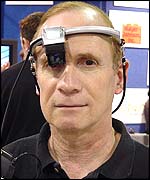
"In 25 years' time the PC will have disappeared. It is a temporary artefact of low technology," said BT futurologist Ian Pearson. "In the future, displays could be put directly on to retinas with lasers implanted straight into the eye. "The processing power of computers will be in every object in the environment. There will even be smart dust." Entertainment hub Since the first commercially and widely available PC, the Altair, went on sale in 1975, entertainment has been one of the driving forces in bringing computers into homes. While the 1970s enthusiast was limited to a black and white game of ping pong, the PC gamer of today can enjoy sophisticated 3D games with ultra-realistic backgrounds.
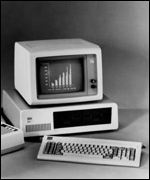
Intel, which powers the majority of the one billion PCs on the market today, believes computers of the future will change as drastically as they have since the early 70s. "In 25 years' time it probably will not be called a PC. It will be integrated into everyday consumer goods, cars and washing machines," said Chris Hogg, a spokesperson for Intel. Its role in the home is likely to change from an isolated machine to a gateway to all the gadgets in the house. Fast chips "As consumer entertainment goes digital, there are more and more digital islands in the home. The PC will link them all together," he said. From the Intel 8080 chip used in the Altair which delivered speeds of 2 MHz, to the 4.77 MHz processor that powered the IBM PC launched in 1981, to the era of the 2.53 GHz Pentium 4, chips have got a whole lot faster.
While some experts have suggested that both PC penetration and processor speed will reach saturation point, Intel is convinced it will continue to accelerate. "New applications will always come along which need more performance power. Things like speech recognition and video recognition," said Mr Hogg. Digital divide Around one in 10 people in the world has a computer but the gulf between the digital haves and have-nots is markedly wider in the developing world. In India there are seven million PCs compared with a population of one billion. The Massachusetts Institute of Technology in the US is working with the Indian Government to develop ultra-low-cost computers that could be available for just a few dollars and be widely deployed to unite citizens and cut down on bureaucracy. | | See also:  01 Jul 02 | Science/Nature 27 Jun 02 | Science/Nature 19 Jun 02 | Science/Nature 18 Jun 02 | Science/Nature 08 Aug 01 | Business Internet links: The BBC is not responsible for the content of external internet sites Top Science/Nature stories now: Links to more Science/Nature stories are at the foot of the page. | |||||||||||||||||||||||||||||||||||||||||||||||||||||||||||||||||||||||||||||||||||||||||||||||||||||||||||||||||||||||||||||||||||||||||||||||||
| |
|  E-mail this story to a friend E-mail this story to a friend |
| |
| Links to more Science/Nature stories |
| | | ||
 | ||||
 | | Back to top
| ||
| ---------------------------------------------------------------------------------- To BBC Sport>> | To BBC Weather>> | To BBC World Service>> ---------------------------------------------------------------------------------- © MMIII | News Sources | Privacy |