|
 |
 | | | | | | |||||||||||||||||||||||||||||||||||||||||||||||||||||||||||||||||||||||||||||||||||||||||||||||||||||||||||||||||||||||||||||||||||||||||||||||||||||||||||||||||||||||||||||||||
| | | You are in: Science/Nature | |||||||||||||||||||||||||||||||||||||||||||||||||||||||||||||||||||||||||||||||||||||||||||||||||||||||||||||||||||||||||||||||||||||||||||||||||||||||||||||||||||||||||||||||||||
|
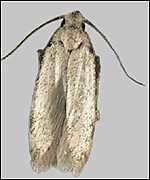
| | Thursday, 20 June, 2002, 19:33 GMT 20:33 UK Worm turns for US cotton farmers The larvae of the species destroy the crop
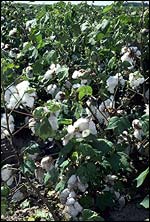
They are the first GM insects to be released anywhere, and they have been freed under netting. But if the experiment is deemed a success, the insects will be further modified and released into the great wide spaces where they will breed but produce no offspring that survive. In effect, they will have been modified to destroy their own species - which is where the competition between engineers comes in. High price to pay Such a mutant insect would be bad news for Monsanto; the chemical company already sells genetically engineered cotton plants to farmers who complain bitterly about the price. Monsanto's modified cotton is resistant to the bollworm which devours cotton.
At the moment, farmers can use chemical sprays to kill the insects, or they can irradiate them in a laboratory - radiation makes the insects sterile. Both measures are expensive. To find a cheaper way, the idea is to alter the insect's genes so the bug is sterile. In a laboratory in Phoenix, insects have been modified, initially in a harmless way: they have been released under netting just to see whether they survive, whether they thrive even, whether they mate. The idea then is to introduce a new gene from a fly into their make-up, and this gene will make them non-productive. The insects will mate as normal but no destructive off-spring will result. If that works, the farmers would then not have to buy modified cotton plants from Monsanto. But will it work, and will it be safe? The scientists involved say the strictest safeguards are in place. Measured risk Opponents say that already there are questions about the ability of insects to pass mutations to bacteria in the soil, for example. And once bacteria mutate, the mutation could take on unpredictable paths, they claim. The difficulty is that there are no certain ways of predicting consequences. It is a matter of balancing risk.
On the other, though, the cost of getting it wrong in terms of destroyed ecosystems could be high. Much depends on how tough the United States Department of Agriculture decides to be in its monitoring of the tests. There is intense pressure from the farmers to get the modified insects approved. The unanswerable question is whether the USDA would stand against the producers if doubts about potential danger started to surface in the tests that are now underway. | |
See also:  09 Feb 01 | Science/Nature 11 Feb 02 | Science/Nature 22 May 02 | Science/Nature 21 May 01 | Science/Nature Internet links: The BBC is not responsible for the content of external internet sites Top Science/Nature stories now: Links to more Science/Nature stories are at the foot of the page. | |||||||||||||||||||||||||||||||||||||||||||||||||||||||||||||||||||||||||||||||||||||||||||||||||||||||||||||||||||||||||||||||||||||||||||||||||||||||||||||||||||||||||||||||||
| |
|  E-mail this story to a friend E-mail this story to a friend |
| |
| Links to more Science/Nature stories |
| | | ||
 | ||||
 | | Back to top
| ||
| ---------------------------------------------------------------------------------- To BBC Sport>> | To BBC Weather>> | To BBC World Service>> ---------------------------------------------------------------------------------- © MMIII | News Sources | Privacy |