|
 |
 | | | | | | ||||||||||||||||||||||||||||||||||||||||||||||||||||||||||||||||||||||||||||||||||||||||||||||||||||||||||||||||||||||||||||||||||||||||||||||||||||||||||||||||||||||||||||||||||||||||||||||||||||||||||||||||||||||
| | | You are in: Middle East | ||||||||||||||||||||||||||||||||||||||||||||||||||||||||||||||||||||||||||||||||||||||||||||||||||||||||||||||||||||||||||||||||||||||||||||||||||||||||||||||||||||||||||||||||||||||||||||||||||||||||||||||||||||||||
|
| | Wednesday, 27 November, 2002, 12:06 GMT Analysis: Pitfalls of Iraqi arms declaration 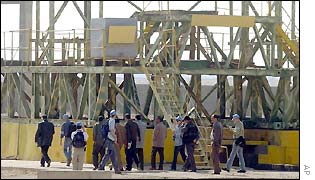 Weapons plant or factory? Inspectors must decide
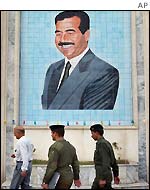
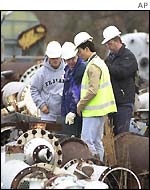
The US and British Governments fear that Iraq might try to overload the UN weapons inspectors with information as it prepares to make a declaration of its weapons and other programmes by the deadline of 8 December. British officials said that a clever tactic for Saddam Hussein would be to bog down the inspectors with detail.
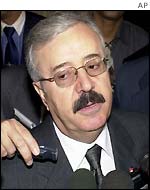
Iraq also has to report on certain civilian industries because some chemicals and biological agents in everyday use can be utilised for making weapons. The officals said that checking these could take four months and more, by which time the winter will be over and with it the best season for military action. Comprehensive report In a letter to the UN Security Council on 23 November the Iraqi Foreign Minister Dr Naji Sabri already hints at this move. He says that the "required reports" will lead to "thousands of pages".
The deadline is set down in Security Council Resolution 1441, which tells Iraq what it has to do. It is important to note that the declaration covers much more than any chemical, biological or nuclear weapons projects - which Iraq says it does not have. The relevant part - operational paragraph three - reads: "The government of Iraq shall provide ... a currently accurate, full and complete declaration of all aspects of its programmes to develop chemical, biological and nuclear weapons, ballistic missiles and other delivery systems such as unmanned aerial vehicles and dispersal systems designed for use on aircraft ... as well as all other chemical, biological and nuclear programmes, including any which it claims are for purposes not related to weapons production or material." The issue of what might happen if Iraq makes a false declaration - whether it would amount to a trigger for war - is already the subject of interpretation.
The resolution - in operational paragraph four - actually says that false statements or omission and failure by Iraq to co-operate fully with the terms of the resolution would constitute a "material breach". The word "and" in that sentence is important. It was put there deliberately instead of "or" as it makes clear that a wrong statement in and of itself would not be enough to constitute the "material breach" reckoned to be needed even by the American hawks as reason to attack. Non-co-operation would be needed as well. This is certainly the British view and officials in London say they think it is the White House view as well. Pitfalls There is an exception. If Iraq blandly said that it had nothing to declare it would not be regarded as credible and it would be taken as a signal of a refusal to co-operate, certainly by the US and UK.
As can seen from the resolution, Iraq has a lot to declare apart from any weapons. And there are many pitfalls. Among the most difficult to assess will be the so-called dual use chemicals. Chlorine is an example. It used to be on the banned list of products under the UN sanctions regime, but it was taken off this year after protests that public health was suffering because of poor quality water. Now Iraq has built a plant manufacturing it. This plant is mentioned in the dossier on Iraq issued by the British Government and by a similar CIA assessment. It is called the Fallujah 2 factory near Habbaniyah. Is it an innocent chlorine facility or a way of making a precursor for a chemical weapons? Or both? Suspect sites There is another site which is also suspect, the al-Sharqat chemical plant in the north west desert.
The US and British Governments will be looking for this to be listed in the declaration, even if only as a civilian plant. On the biological side there will probably have to be a mention of the castor oil plant at Fallujah. Residue from the castor bean pulp, according to the CIA report, "can be used in the production of the biological agent Ricin".
And what if Iraq does not declare its attempt to import high quality tubes which were reckoned by some experts to be destined for an attempt to enrich uranium for a nuclear bomb? The Iraqi ballistic missile programme will also have to be declared. Under the terms of the Gulf War ceasefire Resolution 687, Iraq cannot have rockets with a range of more than 150km (93 miles). The British and CIA documents both claim that, in the words of the British dossier, "work [is] under way on larger engines for longer-range missiles". Iraq will have to explain an engine test bed it has recently built. It will also have to reveal what efforts it has made to install chemical sprayers in aircraft, for which evidence exists say the British and American reports. All this should make for a very complex declaration, and an even more complex task for the inspectors to check it all out. | |
See also:  26 Nov 02 | Middle East 25 Nov 02 | Media reports 25 Nov 02 | Middle East 25 Nov 02 | Politics 18 Nov 02 | Middle East Internet links: The BBC is not responsible for the content of external internet sites Top Middle East stories now: Links to more Middle East stories are at the foot of the page. | ||||||||||||||||||||||||||||||||||||||||||||||||||||||||||||||||||||||||||||||||||||||||||||||||||||||||||||||||||||||||||||||||||||||||||||||||||||||||||||||||||||||||||||||||||||||||||||||||||||||||||||||||||||||
| |
|  E-mail this story to a friend E-mail this story to a friend |
| |
| Links to more Middle East stories |
| | | ||
 | ||||
 | | Back to top
| ||
| ---------------------------------------------------------------------------------- To BBC Sport>> | To BBC Weather>> | To BBC World Service>> ---------------------------------------------------------------------------------- © MMIII | News Sources | Privacy |