|
 |
 | | | | | | ||||||||||||||||||||||||||||||||||||||||||||||||||||||||||||||||||||||||||||||||||||||||||||||||||||||||||||||||||||||||||||||||||||||||||||||||||||||||||||||||||||||||||||||||||||||||||||||||||||||||||||||||||||||||||
| | | You are in: Middle East | ||||||||||||||||||||||||||||||||||||||||||||||||||||||||||||||||||||||||||||||||||||||||||||||||||||||||||||||||||||||||||||||||||||||||||||||||||||||||||||||||||||||||||||||||||||||||||||||||||||||||||||||||||||||||||||
|
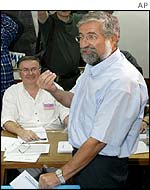
| | Wednesday, 20 November, 2002, 08:51 GMT Dove becomes Israel opposition leader 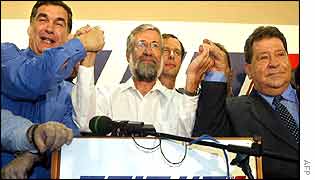 Mitzna want to start peace talks with Palestinians The Israeli opposition Labour Party has elected the mayor of Haifa, Amram Mitzna, as its new leader by a convincing margin. Former Defence Minister Binyamin Ben-Eliezer conceded defeat as the early official results showed that Mr Mitzna - a strong advocate of peace talks with the Palestinians - had won 54% of the vote.
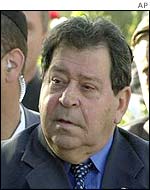
Mr Ben-Eliezer, the incumbent leader, won 37%, and Haim Ramon, a moderate ex-cabinet minister, was third on 7%, with most votes counted. Mr Mitzna, 57, a former reservist general with no previous experience of national politics, will now lead his party into the 28 January general elections. But surveys among the Israeli public give Mr Mitzna little chance of defeating Prime Minister Ariel Sharon's Likud Party. BBC Jerusalem correspondent James Reynolds says that the two-year-old Palestinian uprising has left the Israeli public in an uncompromising mood that favours Mr Sharon. 'Time to try again' The new Labour leader told the BBC that his party had voted "dramatically for a change" and that he hoped for a resumption of peace negotiations with the Palestinians.
"I think Israelis - not just Labour Party members - do feel this is the time to try again, not just by using power but also by negotiation," he said. "Once Israelis feel there is a real alternative and someone to talk to on the other side I think they are ready to make a lot of concessions. "I think Israelis understand now better that there is no way to win such a situation just by using military power," he said. He has promised to try to reinvigorate the Labour Party in opposition, rather than rejoin a national coalition headed by Likud. Voter turnout in the Labour election was said to be close to 65%. As his victory became clear Mr Mitzna offered Mr Ben-Eliezer the number two spot on the Labour list. Mr Ben-Eliezer told his supporters: "We have lost. We have to accept the decision with honour". New path for Labour Correspondents say Mr Mitzna's support for a political not military solution to the Israel-Palestinian conflict put him in sharp contrast to Mr Ben-Eliezer.
With the announcement of the first results, Mr Mitzna hailed a "fantastic victory" and said the party was "embarking on a new path to present the Israeli public a real alternative". In the run-up to the vote Mr Mitzna said that if elected prime minister, he would reverse Mr Sharon's course by withdrawing unilaterally from the Gaza Strip and negotiating with any Palestinian leadership. Mr Ben-Eliezer, by contrast, was seen as tarnished by some for his involvement in Mr Sharon's government, where he oversaw strikes against Palestinians and the reoccupation of many Palestinian towns. Reaction to Mr Mitzna's success was mixed. Former Foreign Minister Shimon Peres rejected the view that the Israeli public was moving more to the right and further from the peace views of Mr Mitzna, whom he called a "serious candidate" for prime minister. He said the key question was who would be leading any peace talks for the Palestinians - an apparent reference to Yasser Arafat, who negotiated earlier peace deals but has since been discredited in the eyes of many. Likud lead Mr Ben-Eliezer had said the tough line being demanded by Israelis meant his hawkish views were the only hope for Labour to topple Likud. Ronnie Milo, a former Likud cabinet minister, said the outcome would only help Likud in January since Mr Mitzna would alienate centrist voters. "I think the outcome is excellent for the Likud," he said. Our correspondent says even Labour supporters admit that the party has little chance of winning parliamentary elections scheduled for January. The Israeli press had been split on the election. The Jerusalem Post derided "Labour's hollow platform," as it said everyone assumed that the winner had no chance of leading Israel after the general election. But Ha'aretz's editorial declared: "Mitzna offers an alternative" and said a convincing victory for him could give new momentum to the peace camp. | |
See also:  18 Nov 02 | Middle East 31 Oct 02 | Middle East 06 Nov 02 | Middle East 30 Oct 02 | Middle East Internet links: The BBC is not responsible for the content of external internet sites Top Middle East stories now: Links to more Middle East stories are at the foot of the page. | ||||||||||||||||||||||||||||||||||||||||||||||||||||||||||||||||||||||||||||||||||||||||||||||||||||||||||||||||||||||||||||||||||||||||||||||||||||||||||||||||||||||||||||||||||||||||||||||||||||||||||||||||||||||||||
| |
|  E-mail this story to a friend E-mail this story to a friend |
| |
| Links to more Middle East stories |
| | | ||
 | ||||
 | | Back to top
| ||
| ---------------------------------------------------------------------------------- To BBC Sport>> | To BBC Weather>> | To BBC World Service>> ---------------------------------------------------------------------------------- © MMIII | News Sources | Privacy |