|
 |
 | | | | | | ||||||||||||||||||||||||||||||||||||||||||||||||||||||||||||||||||||||||||||||||||||||||||||||||||||||||||||||||||||||||||||||||||||||||||||||||||||||||||||||||||||||||||||||||||||||||||||||||||||||||||||||||||||||||||||||||
| | | You are in: Middle East | ||||||||||||||||||||||||||||||||||||||||||||||||||||||||||||||||||||||||||||||||||||||||||||||||||||||||||||||||||||||||||||||||||||||||||||||||||||||||||||||||||||||||||||||||||||||||||||||||||||||||||||||||||||||||||||||||||
|
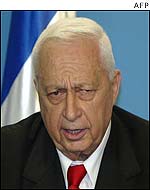
| | Wednesday, 6 November, 2002, 13:10 GMT Israel gears up for elections 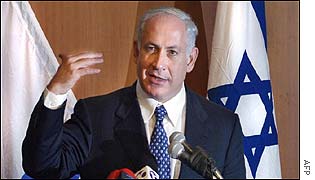 Netanyahu is challenging for the Likud leadership The battle lines are being drawn for early elections in Israel, called on Tuesday after Prime Minister Ariel Sharon failed to rebuild his coalition government. Binyamin Netanyahu - who will challenge Mr Sharon for leadership of the Likud party before the poll - was sworn in as foreign minister in the caretaker right-wing government by the Knesset.
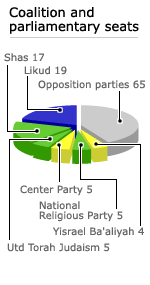
Opinion polls give Likud a large lead which would translate into 33 Knesset seats, while Labour - currently the largest party - would sink to 19. The poll also showed Mr Sharon leading Mr Netanyahu for the Likud race. The BBC's Jeremy Cooke in Jerusalem says Mr Sharon has taken a big political gamble by calling early elections. He could have compromised - first with Labour and then with the right-wing parties - but he knows he needs to appear strong and uncompromising in leadership, our correspondent says. 'Least bad option' A leadership contest is also looming in the Labour Party - so while Israelis know they are going to the polls, they do not know who either of the main candidates for prime minister will be.
Mr Sharon had been wooing ultra-nationalist parties since Labour ministers pulled out of the government last week in a row over the funding of Jewish settlements. On Monday, General Shaul Mofaz, a hardliner who has spearheaded Israel's crackdown on Palestinian militants, was confirmed as defence minister. President Moshe Katsav said Mr Sharon had asked him to dissolve parliament at a meeting on Tuesday. Israelis now face a period of political uncertainty, as the elections coincide with a possible US-led war with Iraq. The crisis is also exacerbated by the continuing Palestinian intifada, or uprising. On Wednesday morning a Palestinian gunman shot dead two Jewish settlers in the Gaza Strip before being killed himself. < | |
See also:  06 Nov 02 | Media reports 06 Nov 02 | Middle East 05 Nov 02 | Media reports 05 Nov 02 | Middle East 05 Nov 02 | Middle East 01 Nov 02 | Middle East 02 Nov 02 | Middle East 26 Sep 02 | Middle East Internet links: The BBC is not responsible for the content of external internet sites Top Middle East stories now: Links to more Middle East stories are at the foot of the page. | ||||||||||||||||||||||||||||||||||||||||||||||||||||||||||||||||||||||||||||||||||||||||||||||||||||||||||||||||||||||||||||||||||||||||||||||||||||||||||||||||||||||||||||||||||||||||||||||||||||||||||||||||||||||||||||||||
| |
|  E-mail this story to a friend E-mail this story to a friend |
| |
| Links to more Middle East stories |
| | | ||
 | ||||
 | | Back to top
| ||
| ---------------------------------------------------------------------------------- To BBC Sport>> | To BBC Weather>> | To BBC World Service>> ---------------------------------------------------------------------------------- © MMIII | News Sources | Privacy |