|
 |
 | | | | | | |||||||||||||||||||||||||||||||||||||||||||||||||||||||||||||||||||||||||||||||||||||||||||||||||||||||||||||||||||||||||||||||||||||||||||||||||||||||||||||||||||||||||||||||||||||||||||||
| | | You are in: Middle East | |||||||||||||||||||||||||||||||||||||||||||||||||||||||||||||||||||||||||||||||||||||||||||||||||||||||||||||||||||||||||||||||||||||||||||||||||||||||||||||||||||||||||||||||||||||||||||||||
|
| | Thursday, 14 November, 2002, 16:20 GMT Iraq's reluctant acceptance  Parliament voted to reject the resolution
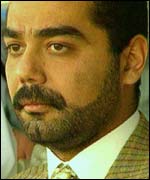
Iraq's acceptance of the new UN resolution was reluctant, but widely expected given the stakes involved. The events in the Iraqi parliament on Monday and Tuesday baffled even seasoned analysts here in Baghdad. Denunciations of a resolution, which Iraqis see as deliberately provocative and humiliating, have been widely predicted. But the surprise came in the MPs' outright rejection, even after the intervention of Uday Hussein, elder son of the Iraqi president.
"But when the Iraqi response of a counter decision came within less than 24 hours, the whole thing was beyond my comprehension." Minefield Parliament has certainly entrusted Saddam Hussein to take whatever decision he believes to be in the best interest of the country. A 'yes' answer was virtually assured once Wednesday's newspapers reported on the vote authorising Saddam Hussein to choose the course of action, and not parliament's rejection. "It was a courageous and wise decision," says MP Mohammed Mudhassar al-Adhami who voted against the resolution on the grounds that it was a "minefield without a map" and amounted to an occupation of Iraq. "We voted no because we found the resolution inapplicable and unacceptable, but we gave the decision to the government which found it had to agree to the resolution for the benefit of the country."
The authorities remain deeply distrustful of the whole weapons inspection process, particularly given the admission by the previous chief weapons inspector, Scott Ritter that he had spied for the Americans. "If there is a hope now of avoiding war it will depend on the behaviour of the inspectors," says Wamidh Nadhmi. The inspectors' new powers to fly Iraqi witnesses out of the country are particularly difficult for Iraq to swallow. "Let's say they wanted, for example, to interview me" Nadhmi says, "I would refuse even if the government approved. It would be humiliating for any patriot." But Wamidh Nadhmi says scientists he knows have been told by the authorities to be available in their offices even on Friday - the Muslim day of prayer. "The Iraqis", he says, "are trying their best to be flexible." | |
See also:  14 Nov 02 | Middle East 13 Nov 02 | Business 12 Nov 02 | Middle East 12 Nov 02 | Middle East Top Middle East stories now: Links to more Middle East stories are at the foot of the page. | |||||||||||||||||||||||||||||||||||||||||||||||||||||||||||||||||||||||||||||||||||||||||||||||||||||||||||||||||||||||||||||||||||||||||||||||||||||||||||||||||||||||||||||||||||||||||||||
 | |
|  E-mail this story to a friend E-mail this story to a friend |
| |
| Links to more Middle East stories |
| | | ||
 | ||||
 | | Back to top
| ||
| ---------------------------------------------------------------------------------- To BBC Sport>> | To BBC Weather>> | To BBC World Service>> ---------------------------------------------------------------------------------- © MMIII | News Sources | Privacy |






 We voted no because we found the resolution inapplicable and unacceptable.