|
 |
 | | | | | | |||||||||||||||||||||||||||||||||||||||||||||||||||||||||||||||||||||||||||||||||||||||||||||||||||||||||||||||||||||||||||||||||||||||||||||||||||||||||||||||
| | | You are in: In Depth: Brazil Journey | |||||||||||||||||||||||||||||||||||||||||||||||||||||||||||||||||||||||||||||||||||||||||||||||||||||||||||||||||||||||||||||||||||||||||||||||||||||||||||||||||
|
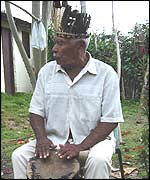
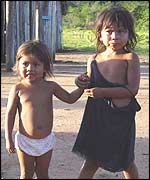
| |  Tuesday, 17 September, 2002, 17:19 GMT 18:19 UK Tuesday, 17 September, 2002, 17:19 GMT 18:19 UK The 'forgotten' Indians of Aracruz 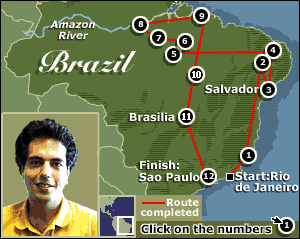 Report one: Aracruz As Brazil gears up for presidential elections in October, BBC Brasil's Paulo Cabral travels through remote mountains, arid countryside and deep jungle to find out what 21st Century politics mean in the Brazil that normally goes unreported. The 180 families of Tupiniquim Indians living in Caieras Velha say they have been forgotten.
"The community wants to take part in these elections," says Jose Sizenando, the tribal chief of the community based in a suburb of the city of Aracruz, less than 60 kilometres from Vitoria, the capital of Espirito Santo State. "But nobody came to us to talk, and the Indians don't know who they'll vote for," he said.
With seven more, he would have been the first Indian councillor in a city that hosts three Tupiniquim villages and three from another Indian tribe, the Guarani. "If we had an Indian in these elections, it would be much better, because the white man doesn't know the suffering of the Indian," complained 62-year-old Tupiniquim Indian, Helena Coutinho. "The white man only wants our vote." But, in spite of that, she says the community must participate in the elections: "The majority of the Indians from here vote nowadays. And we have to vote to put someone there who'll be concerned with the problems of the Indians."
But Alexandre has never voted "in the elections of the white", he says, although he never misses the meetings where local village chiefs are chosen. "I don't even know how to write my name. What is my vote worth?" he says. And, as the Indians try to make their voices heard through the country's political system, they also trying to balance the preservation of their own identity against the need to relate to the country's white majority. Mixed marriages Traditionally, marriages between Indians and white people are not welcome.
"I think this is important to keep the village as it is." But the policy is not enforced strictly. Even the chief's father is married to a white woman, Maria, his second wife. And Maria does not like the rule imposed by her stepson: "The one who's born in the river is fish, isn't that right? I was born in these lands, so I am Indian," she says. Language dilemma Two years ago a new village of Guarani Indians was created at the mouth of the river Pireque-A�u. With seven families, the community chose Carai as their chief. At home Carai speaks Tupi with his four sons and his wife. But the children are learning Portuguese. "It's important that the Indians preserve their language, but also speak Portuguese to communicate with the whites," he says. "The Indians must fight for their community because the whites don't do anything." | |
See also:  20 Aug 02 | Americas 19 Jul 02 | Americas Internet links: The BBC is not responsible for the content of external internet sites Top Brazil Journey stories now: Links to more Brazil Journey stories are at the foot of the page. | |||||||||||||||||||||||||||||||||||||||||||||||||||||||||||||||||||||||||||||||||||||||||||||||||||||||||||||||||||||||||||||||||||||||||||||||||||||||||||||||
| |
|  E-mail this story to a friend E-mail this story to a friend |
| |
| Links to more Brazil Journey stories |
| | | ||
 | ||||
 | | Back to top
| ||
| ---------------------------------------------------------------------------------- To BBC Sport>> | To BBC Weather>> | To BBC World Service>> ---------------------------------------------------------------------------------- © MMIII | News Sources | Privacy |