
|
 |
 | | | | | | ||||||||||||||||||||||||||||||||||||||||||||||||||||||||||||||||||||||||||||||||||||||||||||||||||||||||||||||||||||||||||||||||||||||||
| | | You are in: Health | ||||||||||||||||||||||||||||||||||||||||||||||||||||||||||||||||||||||||||||||||||||||||||||||||||||||||||||||||||||||||||||||||||||||||||
|
| | Friday, 29 November, 2002, 01:45 GMT Checks could ease asthma attacks 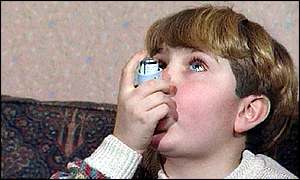 A new check could prevent asthma attacks A new check could prevent life-threatening asthma attacks, doctors say. A study showed the number of attacks was cut by two thirds in asthma patients given the check, compared to those whose condition was managed normally. The check works by monitoring levels of microscopic cells called eosinophils, found in sputum, that cause inflammation of the airways in the lung. These are present several weeks before an asthma attack. Wheezing Researchers from Glenfield Hospital in Leicester studied 74 patients, and either monitored eosinophil levels or treated symptoms conventionally.
In the group receiving conventional treatment, patients had to wait until symptoms such as wheezing appeared before they were treated. It was found those who were monitored had 63% lower levels of eosinophils over 12 months after targeted treatment than those treated conventionally. Patients in the sputum group had 35 severe asthma attacks compared to 105 amongst those who received conventional treatment. Only one of the monitored group had to be admitted to hospital with severe asthma, compared to six of the other group. Fine-tuning treatment Dr Ian Pavord, who led the research, said it had implications for the management of asthma because it "strongly supports the view that airway inflammation should be monitored regularly for the best treatment of this group of patients." He added: "About 1,500 people a year die of asthma and the vast majority of these deaths are preventable." He said eosinophil monitoring allowed treatment to be "fine-tuned" for better results. Dr Pavord said these treatments were suitable for the worst sufferers - about 5% of asthma patients - who regularly needed hospital care. "The techniques we used for measuring inflammation are a little bit tricky and cumbersome and may not find their way into clinical practice. "But there are a number of simpler techniques for measuring airway inflammation becoming available in the next few years and it may well be that they are better suited for day-to-day practice." Damping down infection Professor Martyn Partridge, chief medical adviser to the National Asthma Campaign, said: "This study shows that tailoring therapy to the degree of eosinophilic inflammation seems to be better than the rather blind approach which we use at the present time. "For 20 years following the work of Finnish researchers, we've known of the importance of inflammation in the airways is a fundamental feature of asthma, and we've known that if we don't damp down that inflammation, patients end up with symptoms and worse lung function. "However, we've only been able to measure that inflammation by indirect means such as by monitoring symptoms or by monitoring lung function. "If we had a better non-invasive marker of inflammation, it would enable us to tailor the medication more closely to that patient's degree of inflammation. "This research shows how by using one marker, eosinophilis, that can be done with advantage." | | See also:  25 Nov 02 | Health 18 Nov 02 | Health 17 Sep 02 | Health 22 Aug 02 | Health 15 Jun 99 | Medical notes Internet links: The BBC is not responsible for the content of external internet sites Top Health stories now: Links to more Health stories are at the foot of the page. | ||||||||||||||||||||||||||||||||||||||||||||||||||||||||||||||||||||||||||||||||||||||||||||||||||||||||||||||||||||||||||||||||||||||||
| |
|  E-mail this story to a friend E-mail this story to a friend |
| |
| Links to more Health stories |
| | | ||
 | ||||
 | | Back to top
| ||
| ---------------------------------------------------------------------------------- To BBC Sport>> | To BBC Weather>> | To BBC World Service>> ---------------------------------------------------------------------------------- © MMIII | News Sources | Privacy |





