
|
 |
 | | | | | | ||||||||||||||||||||||||||||||||||||||||||||||||||||||||||||||||||||||||||||||||||||||||||||||||||||||||||||||||||||||||||||||||||||||||
| | | You are in: Health | ||||||||||||||||||||||||||||||||||||||||||||||||||||||||||||||||||||||||||||||||||||||||||||||||||||||||||||||||||||||||||||||||||||||||||
|
| | Saturday, 26 October, 2002, 23:13 GMT 00:13 UK Help for Uganda's terminally ill 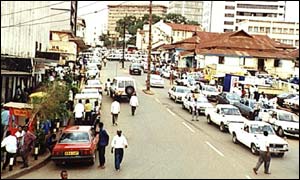 Life expectancy in Uganda is about 41 years The lives of thousands of terminally-ill people in Uganda are being transformed by a ground-breaking palliative care programme. The programme, established just four years ago, provides pain relief and care to people with cancer and other terminal diseases. The scheme has been so successful that the Ugandan Ministry of Health has decided to introduce a comprehensive palliative care service across the country.
Average life expectancy in Uganda is just 41 years. Cancer is a major killer but few people are able to get medical treatment for the disease. Pain relief Only a small proportion receive pain relief to help them cope with cancer and other illnesses. Most die at home after months of suffering excruciating pain. "In Uganda, less than 5% can access curative treatment such as chemotherapy or radiotherapy," said Dr Merriman. "That means that the cancer just gets bigger and bigger. The pain just gets worse and worse and patients die in agony and families dread that. That is their biggest fear." Hospice Africa's palliative care programme provides medical care for people in their own homes. "We started with homecare here because we realised patients die much earlier. Life expectancy is between 39 to 41 years and, therefore, they have family around to support them at these times. "Economically it was also the only way we could go at the time. Since then we have done research and we've found in Kampala itself that 78% of patients would prefer to die in their own homes." Hospice Africa trains nurses to provide palliative care to patients. Many return to their villages where they continue working. "When they go to their own villages they can carry on this work with their own people," said Dr Merriman. There was previously no structured programme in Uganda to help people with terminal illness. "Many have been in agony for months," she said. "Patients quality of life is the same as if they didn't have cancer and they can live until they die." Betty Kasigwa, a senior palliative care nurse with Hospice Africa, said the programme had helped many people to deal with their pain. "The pain control that has been brought into Uganda has brought a lot of relief to our patients here. "There are those who will die but they will not die in pain. Their pain is being controlled." This story is featured in the radio programme Health Matters on the BBC World Service. Click here for listening times | | See also:  02 Aug 02 | Health 05 May 02 | Health 03 Dec 00 | Africa Internet links: The BBC is not responsible for the content of external internet sites Top Health stories now: Links to more Health stories are at the foot of the page. | ||||||||||||||||||||||||||||||||||||||||||||||||||||||||||||||||||||||||||||||||||||||||||||||||||||||||||||||||||||||||||||||||||||||||
| |
|  E-mail this story to a friend E-mail this story to a friend |
| |
| Links to more Health stories |
| | | ||
 | ||||
 | | Back to top
| ||
| ---------------------------------------------------------------------------------- To BBC Sport>> | To BBC Weather>> | To BBC World Service>> ---------------------------------------------------------------------------------- © MMIII | News Sources | Privacy |





