
|
 |
 | | | | | | ||||||||||||||||||||||||||||||||||||||||||||||||||||||||||||||||||||||||||||||||||||||||||||||||||||||||||||||||||||||||||||||||||||||
| | | You are in: Health | ||||||||||||||||||||||||||||||||||||||||||||||||||||||||||||||||||||||||||||||||||||||||||||||||||||||||||||||||||||||||||||||||||||||||
|
| | Saturday, 19 October, 2002, 00:40 GMT 01:40 UK Painkiller 'prevents baby lung disease' 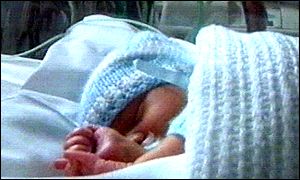 Premature babies are prone to lung disorders Lung and eye problems in premature babies could be prevented using a common painkiller, researchers have found. They believe it could be better than existing treatments. Premature babies often have under-developed lungs, and can suffer from a chronic inflammation of the airways and lung tissue called bronchopulmonary dysplasia when they are born. Tests in rabbits found that the painkiller, Cox-2 inhibitors (Celebrex) were found to help the growth of premature babies' lungs and eyes by preserving molecules which encourage growth. This happened even though the babies were given oxygen to help breathing at the same time. Oxygen normally decreases levels of these chemicals. Oxygen decreased growth factors called VEGFs by three to five times, and lowered VEGF receptors in the lung by three to four times. But combining the Cox-2 inhibitors with the oxygen actually increased the number of crucial VEGF receptors. Preventing diseases A steroid-based drug, dexamethasone, which is currently used to prevent the negative effects of oxygen in premature infants, was also tested. However the drug, which has been associated with delayed brain and body development and an increased risk of cerebral palsy, was found to decrease the number of VEGF receptors. Dr Houchang Modanlou, professor of paediatrics at the University of California Irvine College of Medicine, who led the study, said: "Premature infants are exposed to high concentrations of oxygen to assist their underdeveloped lungs with breathing. "Unfortunately, oxygen also contributes to the development of retinopathy of prematurity and bronchopulmonary dysplasia, two common diseases among premature infants. "Cox-2 inhibitors seem to preserve the growth factors that are shut down by too much oxygen and may prevent these diseases if effective in humans." He added: "We will still need to see how this can be effective in humans, but we may be able to preserve the growth factors necessary for healthy development without the side effects seen in current treatments." The study was presented to the American Academy of Pediatrics meeting in Boston. | | See also:  12 Oct 02 | Health 12 Jul 02 | Health 01 Nov 01 | Health 26 Nov 99 | Health 06 Jul 99 | Health Internet links: The BBC is not responsible for the content of external internet sites Top Health stories now: Links to more Health stories are at the foot of the page. | ||||||||||||||||||||||||||||||||||||||||||||||||||||||||||||||||||||||||||||||||||||||||||||||||||||||||||||||||||||||||||||||||||||||
| |
|  E-mail this story to a friend E-mail this story to a friend |
| |
| Links to more Health stories |
| | | ||
 | ||||
 | | Back to top
| ||
| ---------------------------------------------------------------------------------- To BBC Sport>> | To BBC Weather>> | To BBC World Service>> ---------------------------------------------------------------------------------- © MMIII | News Sources | Privacy |



