
|
 |
 | | | | | | ||||||||||||||||||||||||||||||||||||||||||||||||||||||||||||||||||||||||||||||||||||||||||||||||||||||||||||||||||||||||||||||||||||||||||
| | | You are in: Health | ||||||||||||||||||||||||||||||||||||||||||||||||||||||||||||||||||||||||||||||||||||||||||||||||||||||||||||||||||||||||||||||||||||||||||||
|
| | Friday, 4 October, 2002, 10:06 GMT 11:06 UK 'Superbugs' affect thousands 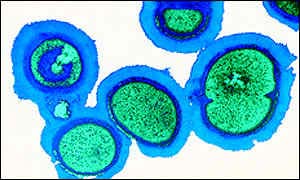 Staphylococcus aureus (courtesy of Pfizer) Dangerous bacteria resistant to antibiotic treatment affected more than 3,000 patients in England in the first half of this year. Data from the Public Health Laboratory Service (PHLS) revealed 8,572 reports of infection with Staphylococcus aureus bacteria. Of these 41% were found to be "methicillin resistant" (MRSA) strains - a broad term for those which are harder to kill with conventional antibiotics.
Microbiologist Professor Hugh Pennington, from the University of Aberdeen, told the BBC: "That's one of the reasons the numbers have gone up. "But the figures are still too high. "We may run out of the antibiotics that we can still treat MRSA with - and people have been concerned about this for quite a long time and there are signs that these bugs are building up steam. "We're slowly being pushed back." He added: "But when it comes to doing something about it, we don't put enough effort into it, we don't put enough money into it."
The PHLS has made it compulsory for hospitals to report all cases of Staphylococcus aureus on their wards in a bid to work out how badly the NHS is affected. The recent upsurge in cases is blamed partly on overuse of antibiotics - which gives bacteria more opportunities to adapt - and partly on poor standards of cleanliness at some hospitals. The government launched a �60m initiative to improve hospital cleaning, and now claims that no hospital is failing in this area. Many hospitals have infection control departments which help train staff on the importance of simple measures such as handwashing - and identify when outbreaks of dangerous bugs have taken place. Worst areas The area hardest hit by MRSA is London, where there were 772 reported cases, followed by 438 cases in the South East, 435 in the North West and 371 in the West Midlands. London might normally expect to have more cases because it receives patients from all over the country. Liberal Democrat MP Paul Burstow said: "These drug-resistant bugs hit the vulnerable young and old the hardest, and without urgent attention will continue to blight our hospitals. "I welcome the move to a mandatory reporting system but it shows the true size of the hidden numbers of hospital acquired infections in London." The National Audit Office has suggested that up to 5,000 people die each year from a variety of infections - not just Staphylococcus aureus - picked up in English hospitals. The problem may cost the NHS as much as �1 billion a year, because many infections lengthen recovery times and increase the need for expensive treatment. | | See also:  17 Sep 02 | Health 28 Jun 02 | Scotland 25 Jun 02 | Scotland 26 May 02 | Scotland 26 Oct 02 | Health Internet links: The BBC is not responsible for the content of external internet sites Top Health stories now: Links to more Health stories are at the foot of the page. | ||||||||||||||||||||||||||||||||||||||||||||||||||||||||||||||||||||||||||||||||||||||||||||||||||||||||||||||||||||||||||||||||||||||||||
| |
|  E-mail this story to a friend E-mail this story to a friend |
| |
| Links to more Health stories |
| | | ||
 | ||||
 | | Back to top
| ||
| ---------------------------------------------------------------------------------- To BBC Sport>> | To BBC Weather>> | To BBC World Service>> ---------------------------------------------------------------------------------- © MMIII | News Sources | Privacy |





