
|
 |
 | | | | | | ||||||||||||||||||||||||||||||||||||||||||||||||||||||||||||||||||||||||||||||||||||||||||||||||||||||||||||||||||||||||||||||||||||||||
| | | You are in: Health | ||||||||||||||||||||||||||||||||||||||||||||||||||||||||||||||||||||||||||||||||||||||||||||||||||||||||||||||||||||||||||||||||||||||||||
|
| | Thursday, 19 September, 2002, 14:13 GMT 15:13 UK Breast cancer gene poses other risks 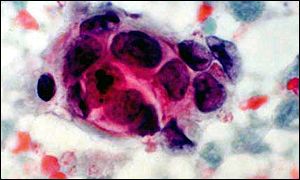 5% of breast cancers have a genetic cause A gene which increases women's chance of developing breast and ovarian cancer ia also linked to other cancers, researchers warn. They say the BRCA1 gene increases a woman's risk of cancer of the uterus, cervix, pancreas and colon. Researchers say the findings could help doctors to monitor women with the faulty gene more carefully for the signs of cancer. Cancer Research UK scientists looked at the incidence of cancers in 12,000 women and men from 700 families in Europe and North America with a history of breast or ovarian cancer, the largest study if its kind. They then assessed the cancer risk for people with a mutated version of the BRCA1 gene. The gene is important in regulating growth and repairing the DNA in cells. If a woman has one defective copy of BRCA1 she has a much higher risk of developing breast or ovarian cancer. Increased risk But the Cancer Research UK scientists found she also an overall two-fold increased risk of developing cancer in other sites in her body. Women with the defective gene were twice as likely than average to develop colon or pancreatic cancer, three times more likely to develop cancer in the uterus and four times more likely to develop cervical cancer. They also had a substantially increased risk of them developing cancer in the fallopian tubes.
Researchers also found that carriers of the faulty version of BRCA2 , another gene linked to breast cancer have a five-fold increased risk of prostate cancer, three and a half fold increase of pancreatic cancer and also an increased risk of skin and stomach cancer. But the risk of ovarian cancer and other abdominal cancers is less for carriers of a damaged BRCA2 gene than for those with damaged BRCA1. Dr Doug Easton, of the Cancer Research UK Genetic Epidemiology Unit at the University of Cambridge, who led the research, said: "We found that the main implication of the study was for female carriers of the damaged BRCA1 gene." He added: "It is important to realise that not every woman with an altered BRCA1 gene will develop breast or ovarian cancer and the same applies to the other cancers linked to the mutation in this study. "Though there is a big increase in the relative risk to women with the faulty gene the absolute risk for these other cancers is still quite low. "For example, women with the mutation were twice as likely to develop pancreatic cancer than women with a normal BRCA1 gene but the absolute risk for the cancer in women with the faulty gene is as low as one per cent." Prevention Women with the gene can already be given more frequent mammograms to check for breast cancer and ultrasound to pick up early signs of ovarian cancer. They may even have healthy tissue removed as a preventative measure. The researchers say their findings could help doctors perform similar checks for other cancers, such as cervical screening and advise women of lifestyle changes they could make to reduce their risk. Sir Paul Nurse, chief executive of Cancer Research UK, said: "Understanding the genetic basis of cancer provides vital information for scientists to develop new treatments and doctors to identify and monitor susceptible people. "The advances in genetic research will reveal further genes that pre-dispose people to cancer. "Cancer Research UK is not only concerned with finding these genes but also educating and counselling people about genetic information and cancer risk." The research is published in the Journal of the National Cancer Institute. | | See also:  17 Sep 02 | Health 03 Sep 02 | Health 08 Feb 02 | Health 04 Dec 01 | Health 29 Sep 01 | Health Internet links: The BBC is not responsible for the content of external internet sites Top Health stories now: Links to more Health stories are at the foot of the page. | ||||||||||||||||||||||||||||||||||||||||||||||||||||||||||||||||||||||||||||||||||||||||||||||||||||||||||||||||||||||||||||||||||||||||
| |
|  E-mail this story to a friend E-mail this story to a friend |
| |
| Links to more Health stories |
| | | ||
 | ||||
 | | Back to top
| ||
| ---------------------------------------------------------------------------------- To BBC Sport>> | To BBC Weather>> | To BBC World Service>> ---------------------------------------------------------------------------------- © MMIII | News Sources | Privacy |





