
|
 |
 | | | | | | ||||||||||||||||||||||||||||||||||||||||||||||||||||||||||||||||||||||||||||||||||||||||||||||||||||||||||||||||||||||||||||||||||||||||
| | | You are in: Health | ||||||||||||||||||||||||||||||||||||||||||||||||||||||||||||||||||||||||||||||||||||||||||||||||||||||||||||||||||||||||||||||||||||||||||
|
| | Tuesday, 17 September, 2002, 23:19 GMT 00:19 UK Many women never check breasts 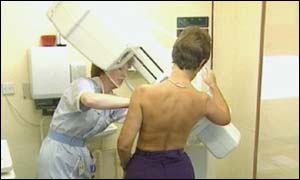 Breast cancer can be treated successfully Almost one in seven women never check their breasts for possible signs of cancer, a survey has found. Breast cancer is the most common form of cancer in the UK, and experts say that early detection is key to treating the disease successfully. However, the survey also found that one in three women did not really know what they were supposed to be looking for when they carried out checks. The charity Breast Cancer Care, which commissioned the survey in association with Boots, has devised a five-point code to help women become "breast aware". The code, endorsed by the Department of Health and the Royal College of Nursing, says women should:
The survey found one in three women thought being breast aware simply involved checking for lumps once a month. Age-related Almost half of the women surveyed were not aware that the risk of breast cancer significantly increased with age.
Almost one in seven of the women questioned never checked their breasts and a quarter of this group were aged over 50. Dr Trevor Powles, professor of breast oncology at the Royal Marsden Hospital, said: "Improvements in treatments, breast screening and public awareness mean that we have made great progress in the battle against breast cancer. "However this survey shows that there is still a long way to go before we can sit back and say we no longer need to talk about the need to be breast aware, especially when it comes to older women." Emma Lloyd of Breast Cancer Care said: "Women don't need to make a note in their diary to check their breasts once a month or become too anxious about it. "We just want them to incorporate being breast aware into their everyday lives so they know what their breasts are like and can spot any changes." Delyth Morgan, chief executive of the charity Breakthrough Breast Cancer, expressed concern that women's confusion over breast awareness would continue to get worse unless the government clarified what GPs and other health professionals should tell them. "Recent guidance issued by the National Institute of Clinical Excellence does not make clear the importance of being aware of changes in your breasts. "Health professionals need clear and consistent guidance to advise women who are concerned. "It's vital that women know there is more to breast awareness than finding a lump and that early detection can save lives." | | See also:  03 Sep 02 | Health 08 Feb 02 | Health 22 Apr 02 | Health 01 Oct 01 | Health Internet links: The BBC is not responsible for the content of external internet sites Top Health stories now: Links to more Health stories are at the foot of the page. | ||||||||||||||||||||||||||||||||||||||||||||||||||||||||||||||||||||||||||||||||||||||||||||||||||||||||||||||||||||||||||||||||||||||||
| |
|  E-mail this story to a friend E-mail this story to a friend |
| |
| Links to more Health stories |
| | | ||
 | ||||
 | | Back to top
| ||
| ---------------------------------------------------------------------------------- To BBC Sport>> | To BBC Weather>> | To BBC World Service>> ---------------------------------------------------------------------------------- © MMIII | News Sources | Privacy |





