
|
 |
 | | | | | | ||||||||||||||||||||||||||||||||||||||||||||||||||||||||||||||||||||||||||||||||||||||||||||||||||||||||||||||||||||||||||||||||||||||||
| | | You are in: Health | ||||||||||||||||||||||||||||||||||||||||||||||||||||||||||||||||||||||||||||||||||||||||||||||||||||||||||||||||||||||||||||||||||||||||||
|
| | Monday, 9 September, 2002, 14:18 GMT 15:18 UK Infectious diseases warning 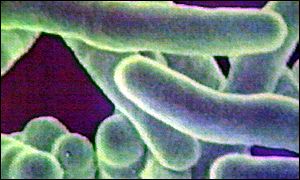 TB is one of the diseases giving concern Public health experts have voiced serious concerns that the threat of infectious diseases will not be properly monitored when responsibility moves to the NHS. They say incidences such as the recent Legionnaire's disease outbreaks in Barrow and the Midlands prove infectious diseases remain a significant health problem in the UK. Their message comes as Public Health Laboratory Service (PHLS) laboratories around the country prepare to transfer their work to the NHS. The PHLS, holding its last ever annual conference, heard that increasing numbers of measles cases, the rise in HIV cases and sexually transmitted infections were among the challenges for experts.
Most of the increase has occurred in London and other urban areas, and certain groups, such as those born in parts of the world where the disease is more common, are at a higher risk. Public health doctors have argued against the dismantling of the network, ordered by the Chief Medical Officer, saying hospitals will not have the resources to give the area the attention it deserves. And there are fears that the fragmentation of the service may mean potential epidemics are not identified early enough. Change Dr Angus Nicholl, director of the Communicable Disease Surveillance Centre, told BBC News Online there were some concerns that NHS laboratories had previously focussed on diagnostics rather than surveillance. "We are concerned as to how that surveillance will be preserved and enhanced. "The trick will be making sure that all of the NHS labs continue to do as well if not better than the public health laboratories." He added: "There's always a danger that in a period of change things may not function as well as they have done in the past." Dr Nicholl said he hoped the best of the previous system would be retained. Professor Hugh Pennington, a leading microbiologist based at Aberdeen University, told the Times newspaper the UK public health laboratory network was envied in America. "The irony is that we will be throwing away something that the United States doesn't have, and is desperate to put together - a network of laboratories dedicated to identifying the causes of diseases and limiting their spread." Under the new system, the Public Health Laboratory Service will be subsumed into the Health Protection Agency. Health gap Almost one in five GP consultations is related to infection, and one in 20 hospital admissions. One in 15 of the population will die from an infectious disease. Experts say infectious diseases disproportionately affect certain groups in society. Dr Jeremy Hawker, of the PHLS, said: "We know that after gay men, black Africans are risk groups for HIV. "If we can understand better how and why some infections affect particular social groups more than others, we can target those groups." Professor Brian Duerden, director of the PHLS, said: "The conference will be considering ways in which prevention messages and health services are accessible to different social groups. "Unless we can do this successfully, we run the risk of simply widening the health gap, making those who are healthy, healthier and those who are sick sicker." | | See also:  27 Jul 02 | Health 17 May 02 | Health 13 Apr 02 | Health 24 Mar 02 | Health 21 Dec 01 | Health Internet links: The BBC is not responsible for the content of external internet sites Top Health stories now: Links to more Health stories are at the foot of the page. | ||||||||||||||||||||||||||||||||||||||||||||||||||||||||||||||||||||||||||||||||||||||||||||||||||||||||||||||||||||||||||||||||||||||||
| |
|  E-mail this story to a friend E-mail this story to a friend |
| |
| Links to more Health stories |
| | | ||
 | ||||
 | | Back to top
| ||
| ---------------------------------------------------------------------------------- To BBC Sport>> | To BBC Weather>> | To BBC World Service>> ---------------------------------------------------------------------------------- © MMIII | News Sources | Privacy |





